






Athletic Trainer Playbook: Taping Wrists, Thumbs, and Ankles for Hockey
Hockey is brutal on joints. Every wrist shot puts torque through your wrists. Every poke check risks thumb hyperextension. Every quick stop loads your ankles. And when injuries happen or when you're trying to prevent them. Proper taping can be the difference between playing through discomfort and sitting out weeks.
Athletic trainers know this, but here's the thing: taping for hockey isn't the same as taping for football, basketball, or soccer. The movements are different, the equipment creates unique considerations, and the cold environment changes how tape performs. Whether you're a trainer working with hockey players for the first time, a coach who needs to help tape players in emergencies, or a player who wants to understand proper technique, this playbook breaks down hockey-specific taping protocols that actually work.
Hockey-Specific Injury Patterns: What You're Actually Dealing With
Before we get into taping techniques, let's understand why hockey creates specific injury vulnerabilities.
Wrist Injuries: Hockey wrist injuries typically involve the ulnar side (pinky side) because of the rotational forces during slap shots and one-timers. Wrist flexion and extension happen hundreds of times per game. The stick acts as a lever, magnifying forces through the wrist joint. Common issues include wrist sprains, tendinitis, and stress reactions in the carpal bones.
Thumb Injuries: The "hockey thumb" or gamekeeper's thumb is a classic hockey injury. It happens when the thumb gets caught in the boards, gets hyperextended during a fall, or takes a slash. The ulnar collateral ligament at the base of the thumb bears the brunt. Without proper support, players risk chronic instability that can end seasons.
Ankle Injuries: Hockey ankle injuries differ from typical sports ankle sprains. The rigid boot provides significant lateral support, so injuries often involve the anterior (front) ankle from hyperflexion when stopping hard, Achilles stress from constant skating posture, and peroneal tendon issues from the skating stride pattern. The skate boot actually changes how you need to approach ankle taping.
Understanding these patterns helps you tape with purpose—not just following generic protocols, but actually addressing hockey's specific biomechanical demands.
Hockey Tape vs. Athletic Tape: Making the Right Choice
Here's where things get interesting. You've got athletic tape in your kit, but you've also got hockey tape available. Which should you use?
Athletic Tape Advantages: Athletic tape (typically 1.5-inch white tape) is specifically designed for injury prevention and support. It's less stretchy than hockey tape, providing better joint stabilization. The adhesive is formulated to stick to skin, even with sweat. It tears easily for quick application and removal. And it's designed to work with pre-wrap and other taping accessories.
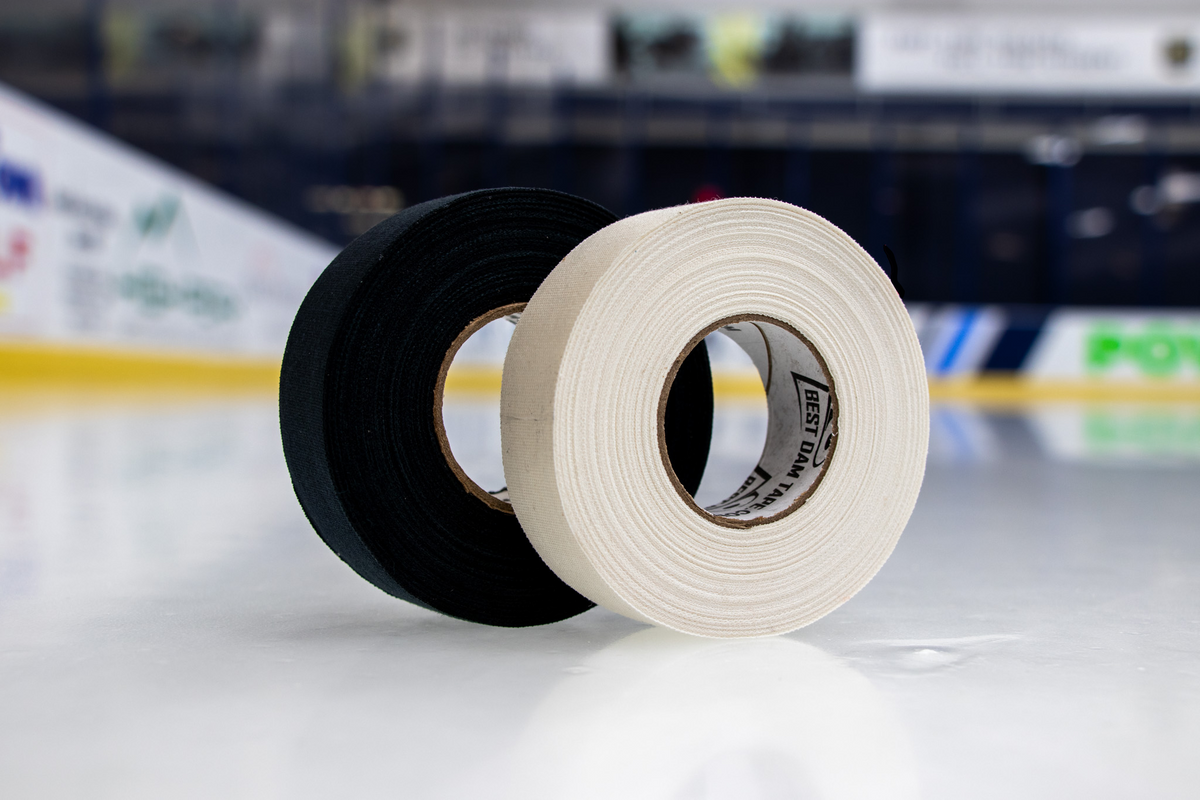
Hockey Tape Advantages: Hockey tape is more durable and abrasion-resistant than athletic tape. It's designed to withstand cold temperatures. The cloth construction breathes better for extended wear. It's more cost-effective for protective bulk wrapping. And players are already familiar with it—there's less psychological resistance.
The Hybrid Approach: Smart trainers use both. For base layers and direct joint stabilization, use athletic tape. For protective overwrap or additional support layers, hockey tape works beautifully. For example, tape a wrist with athletic tape for medical support, then add a layer of hockey tape over it for protection against slashes and durability.
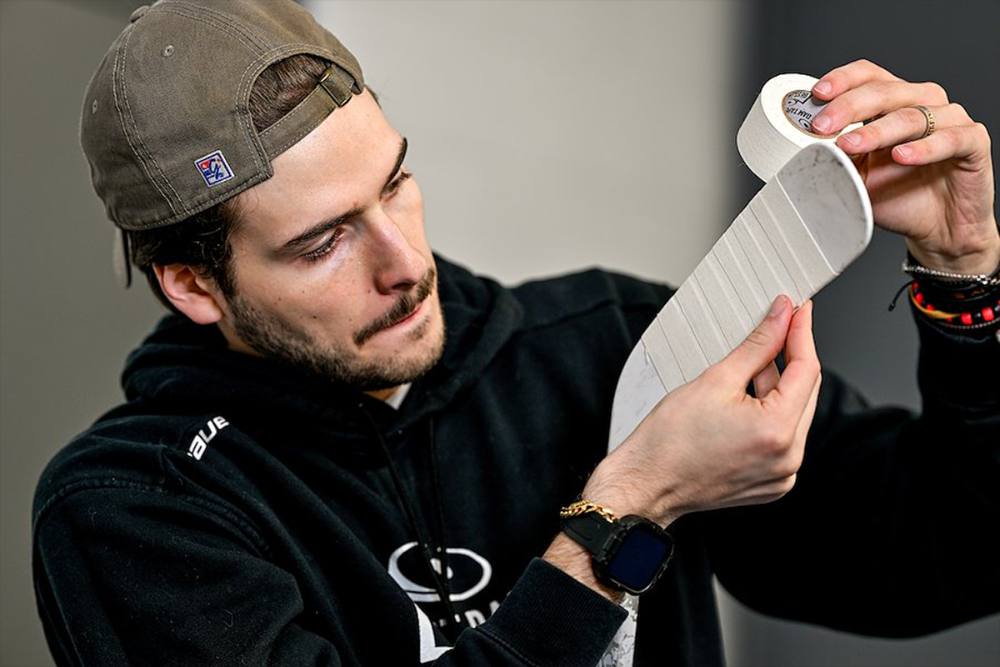
Best Dam Tape's high-quality construction makes it especially suitable for this hybrid approach. Its durability rivals purpose-made athletic tape for many applications, while offering the familiarity and cost-effectiveness players expect from hockey tape.
Wrist Taping Protocol: Support Without Sacrificing Mobility
Hockey players need wrist stability without losing the mobility required for stickhandling and shooting. This protocol balances both needs.
Assessment First: Before taping, assess the injury. Check for swelling, tenderness, range of motion limitations, and grip strength. If there's significant swelling or severe pain with movement, the player needs medical evaluation, not just tape. Taping supports minor strains and provides preventive reinforcement… it doesn't fix serious injuries.
Materials Needed: 1.5-inch athletic tape (or 1-inch hockey tape), pre-wrap (optional but recommended for skin protection), and scissors.
Step-by-Step Application:
Start with pre-wrap. Apply 2-3 layers of pre-wrap around the wrist, extending from mid-forearm to mid-hand. This protects skin and makes removal easier.
Apply anchor strips. Place two strips of tape around the forearm about 3-4 inches below the wrist. These shouldn't be tight. Just snug enough to stay in place. Then place two strips around the hand just above the knuckles.
Create the support strips. Starting from the forearm anchor, apply a strip diagonally across the back of the wrist to the hand anchor on the thumb side. Press firmly but don't pull tight. You're supporting, not restricting. Apply a second strip from the forearm anchor diagonally across the back of the wrist to the hand anchor on the pinky side, creating an "X" pattern over the back of the wrist.
Add stabilizing strips. Apply 2-3 strips horizontally around the wrist, overlapping by half the tape width. Start at the forearm side and work toward the hand. Each strip should be snug but not constrictive.
Finish with securing strips. Apply final strips around the forearm anchor and hand anchor to secure all the supporting layers.
Function Check: The player should be able to flex and extend the wrist through about 80 % of normal range. Full flexion and extension shouldn't be possible. But they need enough mobility to handle a stick effectively. Have them grip a stick and simulate shooting motions. Adjust if they report numbness, tingling, or excessive restriction.
Common Mistakes Trainers Make: Taping too tightly, restricting blood flow and causing hand numbness. Not using enough support strips—2-3 diagonal strips are better than one. Ending the tape right at the wrist joint instead of extending to stable anchors above and below. And forgetting that the tape will loosen slightly during play, so initial snugness is necessary.
Thumb Taping Protocol: Protecting the Ulnar Collateral Ligament
Thumb injuries can be season-enders if not properly supported. This technique provides maximum protection while allowing functional thumb use.
Assessment: Check the ulnar collateral ligament by gently stressing the thumb laterally. Pain or excessive laxity indicates injury requiring medical attention. This taping provides support for mild to moderate UCL stress or preventive support for players with history of thumb injuries.
Materials Needed: 1-inch athletic tape (or thin hockey tape), pre-wrap, and possibly a small foam pad for additional cushioning over tender areas.
Step-by-Step Application:
Apply pre-wrap around the thumb and wrist. Cover the thumb from tip to base, then continue around the wrist.
Create the anchor. Apply tape around the wrist in a circular strip, making it snug but comfortable.
Apply the spica support. This is the critical part. Start the tape on the wrist anchor on the radial side (thumb side). Bring it across the back of the hand, around the thumb at its base (between the thumb and hand), then across the palm back to the starting point. This creates a figure-eight pattern that supports the thumb base without immobilizing it completely. Repeat this spica pattern 3-4 times, each time overlapping the previous layer by 50 %.
Add reinforcing strips. Apply 1-2 additional circular strips around the wrist to secure everything.
Function Check: The player should be able to grip a stick and flex the thumb forward but should feel significant resistance when trying to bend the thumb backward or laterally. That resistance is the support working.
Hockey-Specific Consideration: The thumb taping must work with hockey gloves. Too much bulk at the thumb base can make gloves uncomfortable or affect grip. Keep layers smooth and evenly distributed. Some players prefer to tape directly over their glove liner for a smoother fit—this works but provides less direct support.
Ankle Taping Protocol: Working With and Around Hockey Skates
Taping ankles for hockey is different from other sports because the skate boot itself provides substantial support. Your taping works in conjunction with the boot, not as a standalone solution.
When to Tape Hockey Ankles: The rigid skate boot makes taping less necessary than in sports like basketball. However, taping is valuable for players with previous ankle injuries returning to play, players who need anterior ankle support during aggressive stopping, prevention during tournaments when players are fatigued and injury-prone, and providing confidence for players worried about reinjury.
Materials Needed: 1.5-inch athletic tape, pre-wrap, heel and lace pads (optional), and possibly a felt horseshoe pad for extra support around the malleoli.
Step-by-Step Application:
Apply pre-wrap from mid-calf to midfoot, ensuring smooth coverage without wrinkles. Wrinkles under the skate boot create pressure points and blisters.
Create anchors. Apply two strips around the lower leg about 4-5 inches above the ankle. Then apply strips around the midfoot just behind the ball of the foot.
Apply stirrup strips. Starting at the leg anchor on one side, bring tape down behind the ankle, under the heel, and up to the leg anchor on the other side. This creates a "stirrup" supporting the ankle laterally. Apply 3-4 of these stirrups, alternating which side you start from.
Add horseshoe strips. Starting at the foot anchor on one side, bring tape up the leg, around the back of the ankle (creating a horseshoe shape that cups the heel), and down to the foot anchor on the other side. Apply 2-3 horseshoe strips.
Apply circular closing strips. Wrap the entire ankle with circular strips, starting at the bottom and working up, overlapping each strip by 50%. This secures all the support strips and provides circumferential compression.
Finish at anchors. End with securing strips at both the leg and foot anchors.
Critical Skate Consideration: The taping must end below where the skate tongue and upper sit. If tape extends too high, it'll bunch uncomfortably inside the skate. Similarly, don't wrap the toes or forefoot excessively, as this affects how the foot sits in the skate boot.
Function Check Before Skating: Have the player put on skates over the taping. Check for pressure points, numbness, or circulation issues. They should be able to flex forward into skating posture comfortably. If the tape is too restrictive with skates on, it needs adjustment.
Alternative Approach for Hockey: Some trainers prefer a modified technique that focuses specifically on anterior ankle support rather than full circumferential taping. This involves using athletic tape to create an "X" pattern across the front of the ankle with a few securing strips, then allowing the skate boot to provide lateral support. This approach recognizes that the boot handles lateral stability while the taping addresses the anterior flexion vulnerability.
Pre-Game Taping Routine Checklist
Organization makes taping efficient and ensures nothing gets missed during the chaos of pre-game preparation.
30-45 Minutes Before Game: Have players who need taping come to the training area. Don't wait until 10 minutes before warmup.
Supplies Ready: Lay out all taping materials: athletic tape in needed widths, hockey tape for overwrap if used, pre-wrap, scissors, and any padding or special materials.
Assessment First: Quickly assess each injury. Swelling since last check? New pain? Changes that require medical attention instead of just taping?
Systematic Application: Tape in order of complexity: ankles first (most time-consuming), then wrists, then thumbs.
Function Testing: Don't skip this. Have players move through sport-specific motions to confirm the taping provides support without excessive restriction.
Documentation: For serious injuries being taped, note the taping technique and any changes in symptoms. This helps track progression and informs return-to-play decisions.
Common Mistakes Even Experienced Trainers Make
Learning from common errors improves your taping effectiveness.
Mistake 1: One-Size-Fits-All Approach. What works for a 200-pound defenseman might not work for a 150-pound forward. Adjust tape width, layer count, and technique based on the individual player's size and injury.
Mistake 2: Ignoring Equipment Interaction. Taping that feels great initially but bunches inside gloves or skates is functionally useless. Always consider how taping interacts with equipment.
Mistake 3: Too Tight Initial Application. Joints and tissues swell slightly during activity. Taping that's borderline too tight at application becomes painfully restrictive 20 minutes into play. Build in slight looseness.
Mistake 4: Insufficient Support Layers. Two diagonal wrist support strips aren't enough for a moderate sprain. Don't skimp on the structural support layers—that's where the actual stabilization comes from.
Mistake 5: Poor Pre-Wrap Technique. Wrinkled pre-wrap creates pressure points. Gaps in pre-wrap allow adhesive to contact skin directly, making removal painful and potentially causing irritation.
Mistake 6: Inadequate Communication. Tell players what you're doing and why. Explain what sensations are normal (pressure, mild restriction) versus concerning (numbness, tingling, severe pain). Informed players report problems more effectively.
Professional Credibility: Why Technique Matters
Athletic trainers earn player trust through competent, efficient work. Sloppy taping undermines that trust. Players judge your overall expertise partly based on how well your taping works.
When your taping provides appropriate support, stays in place through competition, and doesn't create secondary problems, players trust you with bigger injury management decisions. When your taping falls apart mid-game or creates new issues, they second-guess your recommendations.
Invest time in mastering hockey-specific taping techniques. It's not just about the tape—it's about demonstrating competence in your field.
Building Your Hockey Taping Kit
If you work regularly with hockey players, build a dedicated hockey taping kit that lives with your equipment.
Essential Items: 1.5-inch athletic tape (multiple rolls), 1-inch athletic tape for thumbs, pre-wrap (multiple rolls), Best Dam Hockey Tape for protective overwrap and cost-effective applications, scissors designed for athletic tape, and felt and foam padding in various sizes.
Supplementary Items: Skin lubricant or petroleum jelly for sensitive areas, tape remover or adhesive solvent, elastic wrap for compression when needed, and cold packs for immediate post-injury care.
Organization: Use a dedicated bag or box. Label sections for different materials. Restock after each game or practice session, not when you discover you're out.
Hockey players need specialized care from athletic trainers who understand their sport's unique demands. Master these taping protocols, and you'll keep players on the ice performing at their best while managing and preventing the injuries that come with the territory.
Stock Your Training Room
Get Best Dam Tape for your athletic training needs – durable enough for protective overwrap and cost-effective for high-volume use. Team bulk ordering available for training rooms and multi-team programs.