









Cloth vs Clear Hockey Tape: Which Should You Use and When
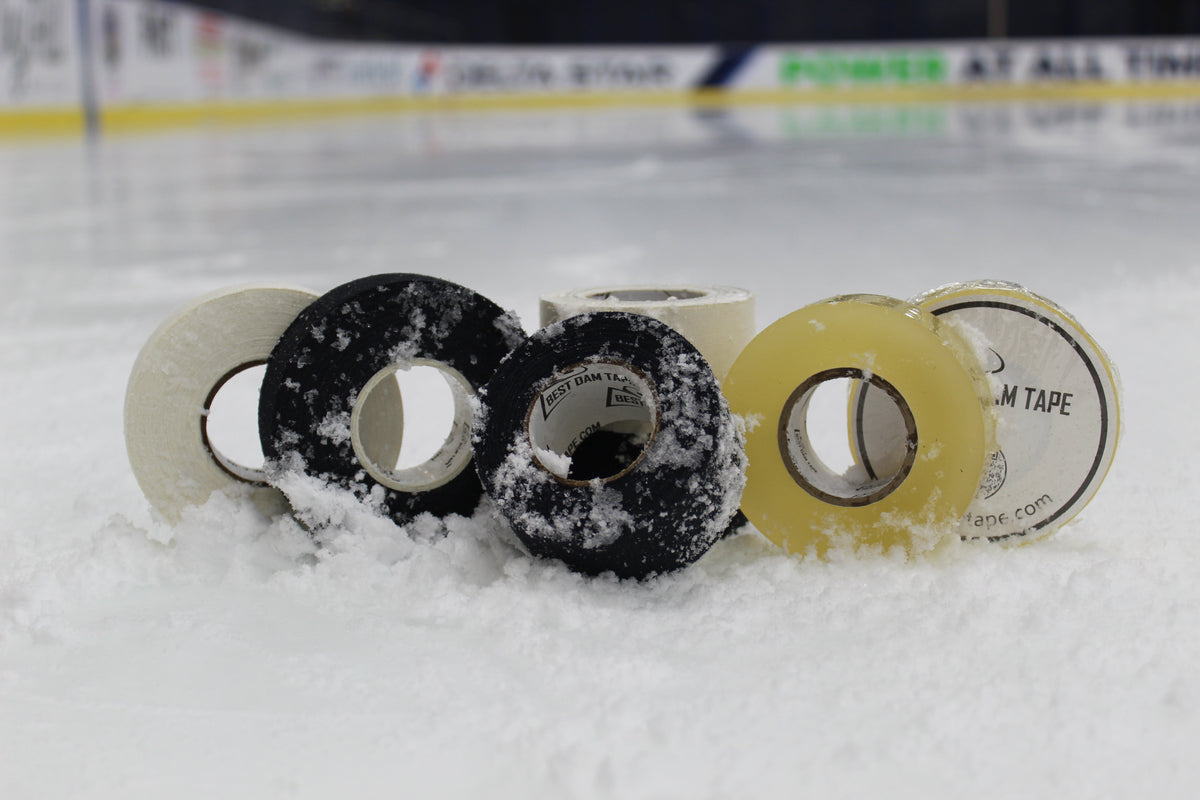
Walk into any hockey shop and you'll see two distinct tape options: traditional cloth tape and clear shin guard tape. Both have loyal followings, but use the wrong one in the wrong place and you'll quickly understand why experienced players are particular about their tape choices. Here's everything you need to know about cloth versus clear hockey tape so you can make the right call for every application.
The Quick Answer (For Players in a Hurry)
Use cloth tape for: Stick blade, stick grip/knob, any application where you need texture and grip
Use clear tape for: Shin guards, socks, protective equipment, any application where you need water resistance and stretch
That's the basic rule, but understanding why these tapes are different will help you make smarter choices and might even improve your game.
What Is Cloth Hockey Tape?
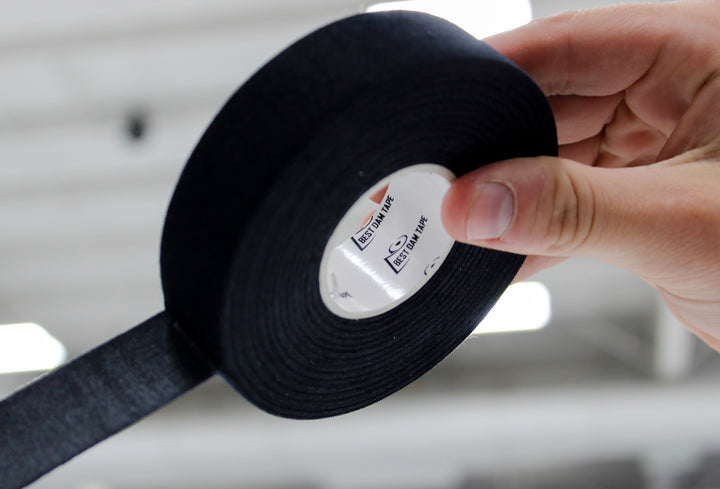
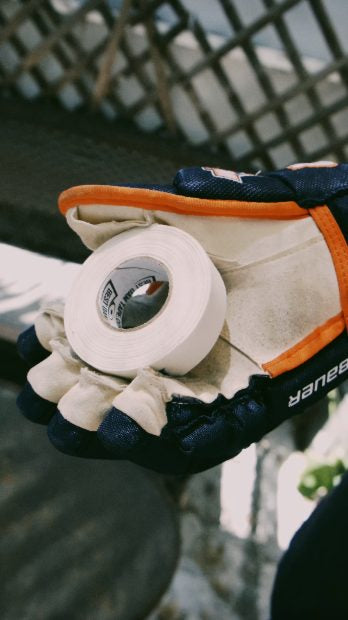
Cloth hockey tape is made from a cotton-polyester blend fabric coated with pressure-sensitive adhesive. It's the traditional choice that's been used for decades, and for good reason.
Key Characteristics of Cloth Tape
Material composition: Typically 50/50 cotton and polyester woven together, creating a fabric with just the right balance of strength and flexibility.
Adhesive type: Rubber-based or acrylic adhesive that remains sticky in cold temperatures. Quality cloth tape (like Best Dam Tape) uses specialized cold-resistant adhesive that maintains its grip even in freezing rinks.
Texture: Slightly textured surface that provides grip when wet or dry.
Width options: Most commonly 1 inch (24mm) for blades and ¾ inch for specialized applications.
Typical uses: Stick blades, stick grips, knobs, equipment repairs.
What Is Clear Hockey Tape?
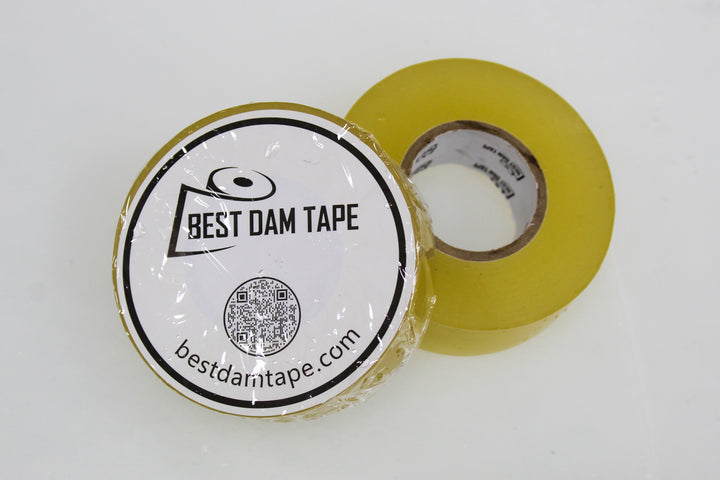
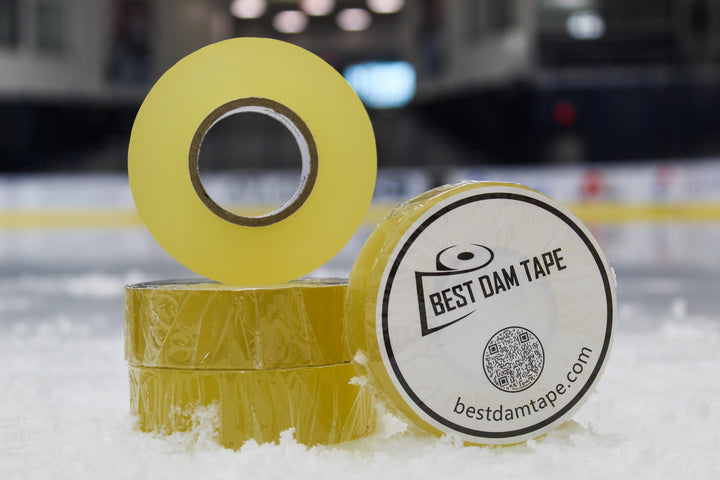
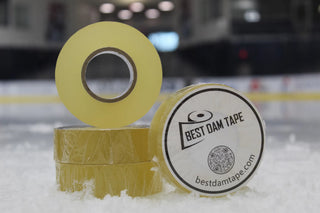
Clear tape (sometimes called shin guard tape or sock tape) is a plastic-based polyurethane film with a completely different purpose than cloth tape.
Key Characteristics of Clear Tape
Material composition: Thin polyurethane film that stretches significantly under tension.
Adhesive type: Pressure-sensitive adhesive designed to stick to itself and fabrics.
Texture: Smooth, slick surface with no grip texture.
Width options: Typically ½ inch to 1 inch, with stretch tape being wider (2-3 inches).
Typical uses: Shin guards, holding socks up, securing protective equipment.
Cloth vs Clear: The Head-to-Head Comparison
|
Feature |
Cloth Tape |
Clear Tape |
|---|---|---|
|
Grip/Texture |
Excellent - provides friction |
None - smooth and slick |
|
Puck Feel |
Superior for stickhandling |
Not applicable |
|
Water Resistance |
Moderate - absorbs some moisture |
Excellent - completely water-resistant |
|
Stretch |
Minimal stretch |
Significant stretch (up to 200%) |
|
Visibility |
Visible (white, black, colored) |
Nearly invisible when applied |
|
Application |
Sticks, grips, repairs |
Shin guards, socks, equipment |
|
Cold Performance |
Excellent with quality tape |
Good |
|
Durability on Blade |
Good for 1-3 games |
Not recommended |
|
Breathability |
Some air flow |
None - airtight seal |
|
Price per Roll |
$2-4 typically |
$3-5 typically |
When to Use Cloth Tape (And Why)
Stick Blade Taping
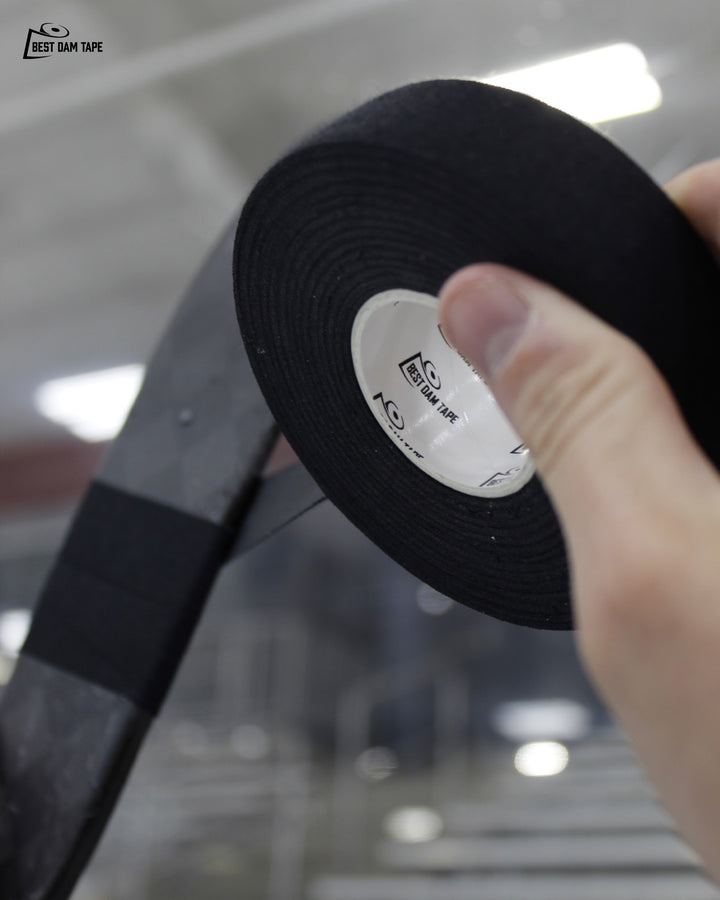
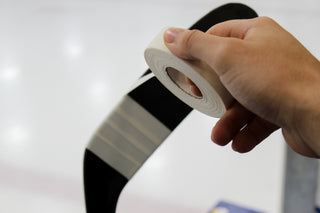
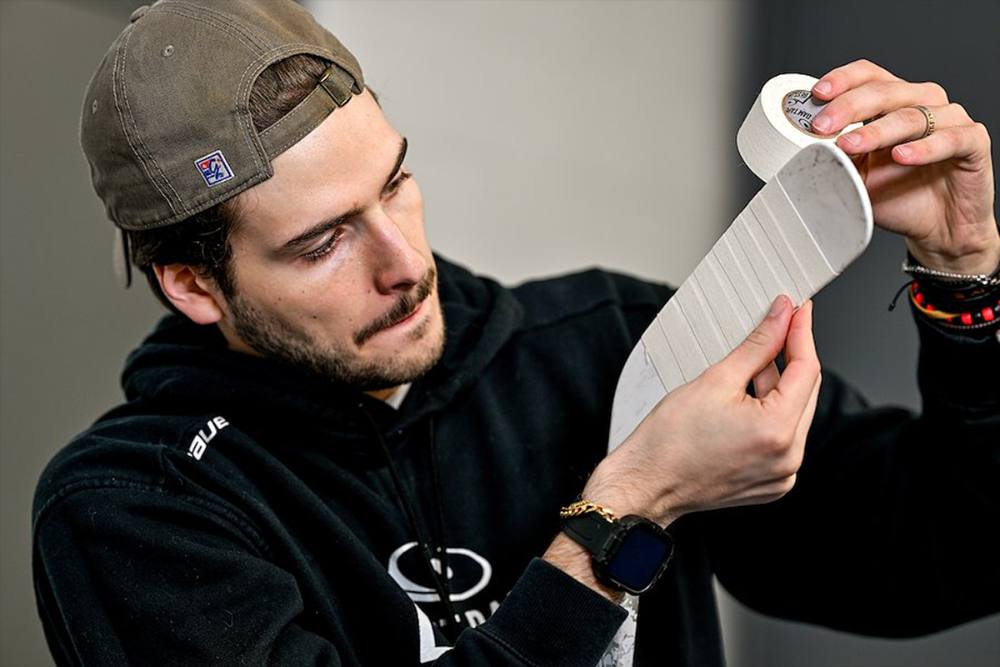
This is non-negotiable: always use cloth tape on your blade. The textured surface gives you better puck control, improved feel for passes and shots, and helps "grab" the puck during stickhandling.
The fabric construction also absorbs some moisture (snow, ice, water) rather than letting it sit on the surface like clear tape would. When you apply stick wax over cloth tape, you get the perfect balance of tackiness for control and water resistance for durability.
Bottom line: Clear tape on a blade is a rookie mistake. You'll lose feel and control immediately.
Stick Grip and Knob
Cloth tape creates the textured surface you need to maintain grip on your stick, even when your gloves are wet or icy. The fabric provides just enough friction to prevent the stick from rotating in your hands during shots and passes.
For candy cane grips or spiral patterns, cloth tape stays in place and maintains its shape over time. Clear tape would be slippery and defeat the entire purpose of a textured grip.
Equipment Repairs
Need to repair a broken glove strap, reinforce a cracked shoulder pad, or patch gear in a pinch? Cloth tape is your friend. It's strong, tears easily for quick application, and sticks to a variety of surfaces.
Athletic Training Applications
While athletic trainers typically use specialized athletic tape for injuries, cloth hockey tape can work in a pinch for:
-
Light wrist support
-
Taping up minor cuts or equipment rub spots
-
Securing ice packs or padding
Just know that athletic tape (which is also cloth-based) is specifically designed for medical applications and is generally a better choice for injury support.
When to Use Clear Tape (And Why)
Shin Guard Taping
This is where clear tape shines. The stretch and water resistance make it perfect for keeping shin guards in place without cutting off circulation.
Clear tape stretches to accommodate muscle movement and doesn't loosen throughout the game like cloth tape tends to. It's also water-resistant, so it won't absorb sweat or ice melt and become soggy and heavy.
The fact that it's nearly invisible means you maintain a clean, professional look on the ice rather than having visible white or black tape showing through your socks.
Holding Hockey Socks Up
Clear tape keeps socks in position without the bulk and visibility of cloth tape. A few wraps at the top of your shin guards keep everything secure without adding weight or creating an amateur appearance.
The stretch is key here—your legs expand and contract during play, and clear tape moves with you instead of restricting movement or coming loose.
Goalie Equipment
Goalies often use clear tape for securing various pieces of equipment that need a low-profile, water-resistant hold:
-
Keeping knee pads in position inside goalie pants
-
Securing chest protector straps
-
Reinforcing equipment without adding bulk
Under-Equipment Applications
Anytime you're taping something that will be covered by other gear and needs to be water-resistant, clear tape is the choice. This includes:
-
Securing padding or protective inserts
-
Taping cut-resistant socks to shin guards
-
Any application where you don't want bulk or visible tape
Common Mistakes: Using the Wrong Tape
Mistake #1: Clear Tape on Stick Blades
Some players try this thinking it will be more water-resistant or durable. It's not. Clear tape on blades is slippery, gives you zero puck feel, and actually performs worse in terms of durability because it's not designed for the abrasion of puck contact and ice friction.
Fix: Always use cloth tape on blades, and apply stick wax for water resistance.
Mistake #2: Cloth Tape on Shin Guards
Cloth tape absorbs moisture, doesn't stretch with muscle movement, and shows through socks. By the third period, your shin guards are sagging and your socks look sloppy.
Fix: Switch to clear tape for a secure, professional hold that lasts all game.
Mistake #3: Using Cheap Versions of Either Type
Budget cloth tape tears unevenly, has weak adhesive in cold rinks, and frays quickly. Cheap clear tape doesn't stretch properly and loses its grip partway through games.
Fix: Invest in quality tape from trusted brands like Best Dam Tape. The few extra cents per roll pay off in performance and durability.
Mistake #4: Over-Taping with Clear Tape
Because clear tape stretches, players sometimes wrap it too tight on shin guards, cutting off circulation. You should be able to slide one finger between the tape and your leg comfortably.
Fix: Apply clear tape with moderate tension. It should be snug but not restricting.
Can You Ever Mix Cloth and Clear?
Yes, and many players do this strategically:
Shin guard hybrid method: Start with clear tape at the bottom (over your skate boot) for water resistance, then switch to cloth tape at the top for a more secure hold if needed. This is less common but some players prefer it.
Stick reinforcement: Use cloth tape on the blade and grip, then add a layer of clear tape over the toe of the blade to extend the life of your tape job. The clear tape acts as a protective barrier against the most abused part of the blade.
Sock/shin guard combination: Use clear tape to secure shin guards, then add a single wrap of cloth tape at the very top of your sock if you want extra security. This gives you the best of both worlds.
Age and Skill Level Considerations
Youth Players (Ages 8-12)
Stick: Cloth tape always, but expect to re-tape more frequently as young players are still learning proper technique and tend to wear through tape faster.
Shin guards: Clear tape is often easier for kids to apply themselves and reduces the risk of over-tightening.
High School and Competitive Youth
Stick: Cloth tape with attention to proper technique. This is when players start developing personal preferences for tape jobs.
Shin guards: Clear tape is standard. Players should learn proper tension to avoid circulation issues.
College, Adult, and Pro
Stick: Premium cloth tape, re-taped frequently (often every game). Tape quality matters more at this level where subtle differences in puck feel affect performance.
Shin guards: Clear tape exclusively, with players having well-established routines.
Position-Specific Tape Choices
Forwards
Heavy cloth tape users for blade and grip. Forwards handle the puck constantly and need maximum grip and feel. Some skilled forwards prefer slightly less tape on the blade for better "touch," but it's always cloth.
Clear tape for shin guards and socks, standard application.
Defensemen
Cloth tape on blade and grip, similar to forwards. Some defensemen prefer more blade coverage since they're taking harder shots and blocking more attempts.
Clear tape for shin guards, often applied more heavily since defensemen are blocking shots and need equipment to stay in place.
Goalies
Cloth tape for paddle and knob, but in completely different patterns than skaters (see our goalie knob guide).
Clear tape for various equipment applications, plus specialized goalie tape in some cases.
Environmental Factors: When Tape Choice Matters More
Cold Outdoor Rinks (Below 32°F/0°C)
Cloth tape adhesive performance drops significantly in extreme cold unless it's specifically formulated for low temperatures. Best Dam Tape uses cold-resistant adhesive that maintains grip down to well below zero.
Clear tape generally performs better in extreme cold than cheap cloth tape, but quality cloth tape beats both.
Warm Rinks (Above 60°F/15°C)
In warmer environments, adhesive on both types can become overly tacky or even gummy if the tape is low quality. Quality tape maintains consistent performance across temperature ranges.
High Humidity
Cloth tape absorbs moisture from the air, which can affect adhesive performance before you even apply it. Store tape in a dry place and consider using clear tape for equipment applications in very humid environments.
The Cost Factor: Is There Really a Difference?
Per-roll pricing:
-
Cloth tape: $2-4 per roll typically
-
Clear tape: $3-5 per roll typically
Applications per roll:
-
Cloth blade tape: 3-5 full blade tape jobs per roll
-
Cloth grip tape: 2-4 full grip applications per roll
-
Clear shin guard tape: 10-15 full shin guard applications per roll
Cost per application:
-
Blade tape job: $0.60-$1.00
-
Grip tape job: $0.75-$1.50
-
Shin guard taping: $0.20-$0.40
While clear tape costs slightly more per roll, you actually get more applications from it since you use less per taping.
The real cost difference comes from quality. Cheap tape of either type requires more frequent replacement, tears during application (wasting tape), and performs poorly. Quality tape from Best Dam Tape costs marginally more but delivers significantly better value through fewer do-overs and longer-lasting performance.
Storage and Shelf Life
Both cloth and clear tape have similar storage requirements:
-
Keep in a cool, dry place (avoid hot cars or damp basements)
-
Store away from direct sunlight
-
Use within 1-2 years for best adhesive performance
-
Keep in a sealed bag to prevent dust from affecting adhesive
Cloth tape is slightly more sensitive to moisture in storage, while clear tape can become brittle if exposed to temperature extremes over time.
The Bottom Line: Match the Tape to the Job
The cloth versus clear debate isn't really a debate at all—these are different tools for different jobs. The key is using each type where it performs best:
Cloth tape wins for: Stick blades, grips, knobs, and any application where grip and puck feel matter
Clear tape wins for: Shin guards, socks, and any application where stretch, water resistance, and invisibility matter
Both can work for: Equipment repairs, though cloth tape is generally more versatile
Understanding these differences makes you a smarter player and helps you avoid common mistakes that can actually hurt your performance. Tape might seem like a minor detail, but when you're using the right type in the right place, it becomes an advantage instead of an afterthought.
Ready to stock up on both? Shop Best Dam Tape's cloth hockey tape for your stick blade and grip, and get clear shin guard tape for secure, comfortable equipment fit. Both are engineered for serious players who demand the best performance from every piece of their equipment.
Stocking a team? Check out our team bulk ordering program for the best prices on both cloth and clear tape.