






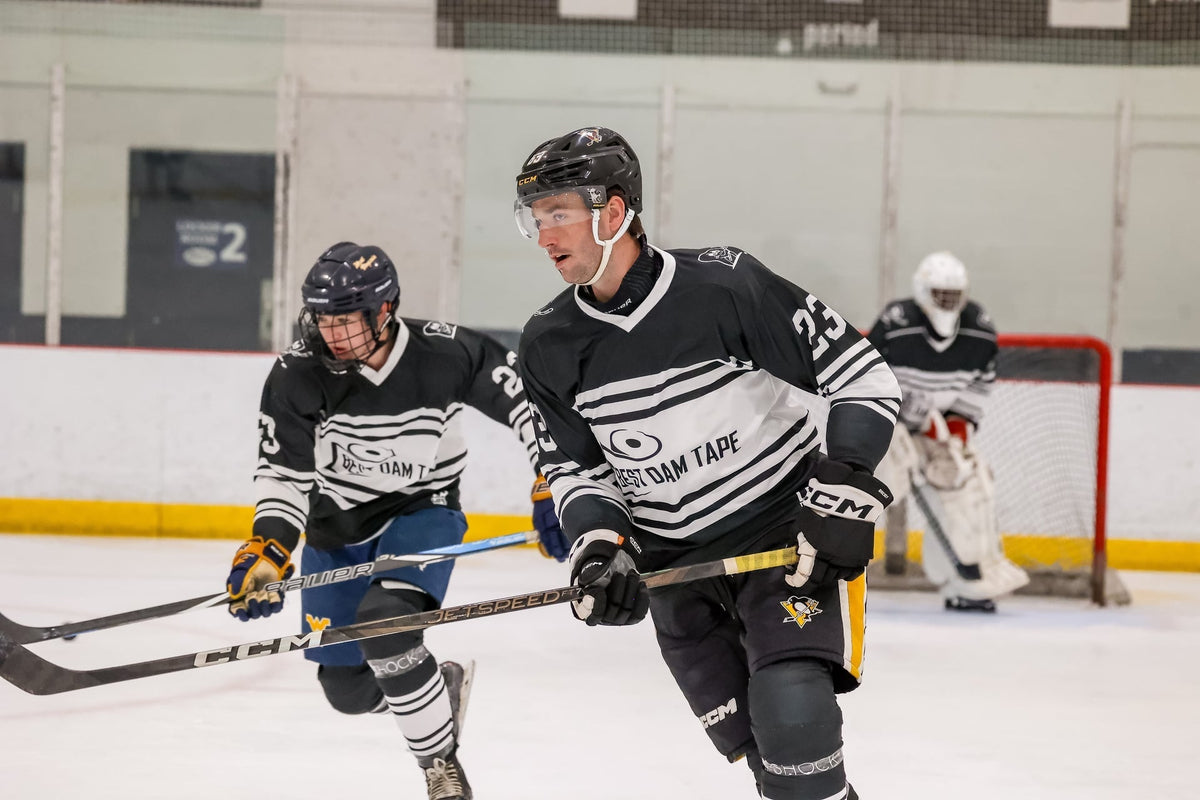
Cold Rink and Outdoor Game Taping: Stop Peeling and Snow Build-Up
There's nothing quite like outdoor hockey: pond games, outdoor tournaments, and charity classics bring a special magic to the sport. But if you've ever played in freezing temperatures, you know the frustration: tape peeling off mid-game, snow caking on your blade, and adhesive that seems to give up the moment you step onto cold ice. Here's your complete guide to taping for cold rinks and outdoor games so you can focus on playing, not fighting your equipment.
Why Cold Weather Destroys Regular Tape Jobs
Understanding the problem helps you solve it. When temperatures drop, three main issues wreck your tape:
Adhesive failure: Standard hockey tape adhesive is designed for typical indoor rink temperatures (around 55-60°F). When temps drop below freezing, the adhesive becomes rigid and loses its molecular grip. This is why tape applied indoors peels away within minutes of hitting cold ice.
Material contraction: Both the tape and your stick contract slightly in extreme cold. This creates micro-gaps between the tape and stick surface, breaking the adhesive bond. The tape literally pulls away from the blade as materials shrink.
Moisture and ice build-up: Cold air can't hold much moisture, so condensation forms quickly on your stick blade. This thin layer of frost prevents tape from adhering properly and accelerates peeling. Add snow from the outdoor surface and you've got a perfect storm for tape failure.
The good news? With the right technique and materials, you can overcome all three challenges.
Temperature Ranges: What You're Really Dealing With
Indoor cold rinks (50-55°F): Typical for many older arenas or energy-efficient facilities. Standard tape struggles slightly but usually performs okay with proper application.
Outdoor rinks (20-32°F): Freezing but manageable. This is where technique and tape quality start to matter significantly.
Extreme cold (0-20°F): Serious challenge requiring specialized approach. Regular tape fails consistently at these temperatures.
Arctic conditions (below 0°F): Rare but happens in northern climates and high-altitude games. Requires premium cold-resistant tape and meticulous technique.
Know your temperature range before you tape. Check the forecast for outdoor games and plan accordingly.
The Cold-Weather Tape Selection Guide
Not all hockey tape handles cold equally. Here's what to look for:
Adhesive Technology
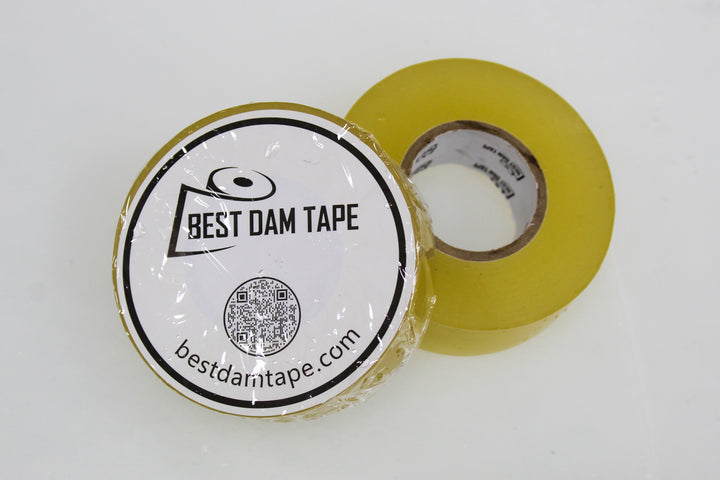
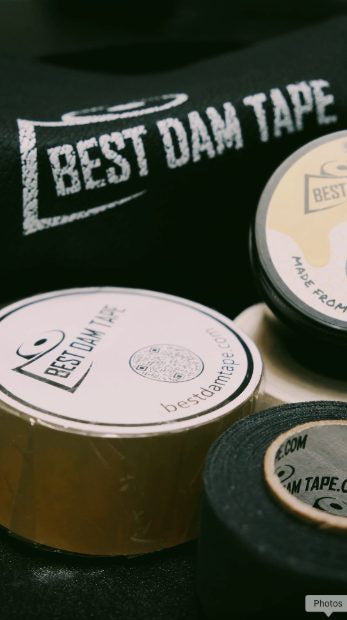
Cold-resistant adhesive: Premium tapes like Best Dam Tape's cloth hockey tape use specialized adhesive formulated to maintain grip in sub-zero temperatures. The molecular structure remains flexible even when cold, maintaining its bond to stick surfaces.
Standard rubber adhesive: Works fine above 40°F but becomes rigid and loses effectiveness below freezing.
Budget acrylic adhesive: Often fails even in moderately cold rinks (50-55°F).
How to tell the difference: Quality tape will explicitly state cold-weather or sub-zero performance on the packaging. If it doesn't mention temperature performance, assume it's not optimized for cold.
Material Construction
Cotton-poly blend ratio: Look for higher polyester content (60/40 or 70/30 poly-to-cotton) for cold weather. Polyester maintains flexibility in cold better than pure cotton.
Weave density: Tighter weaves resist snow and ice accumulation better than loose weaves.
Backing thickness: Slightly thicker tape (without being bulky) provides better insulation between the adhesive and cold stick surface.
Application Technique for Cold Weather
Even the best tape fails if you apply it wrong in cold conditions. Follow this protocol:
Prep Work (Do This the Night Before or Indoors)
1. Warm your stick: If possible, tape your stick indoors at room temperature (65-70°F) at least 2-3 hours before heading to the outdoor rink. This allows the adhesive to bond at optimal temperature.
2. Clean and dry the blade thoroughly: Use a dry cloth to remove any residue from old tape. Even microscopic moisture can prevent proper adhesion in cold.
3. Warm the tape itself: Keep your tape roll in an inside pocket or warm location before applying. Cold tape has less tacky adhesive and doesn't conform as well to the blade curve.
Application Steps for Maximum Cold-Weather Hold
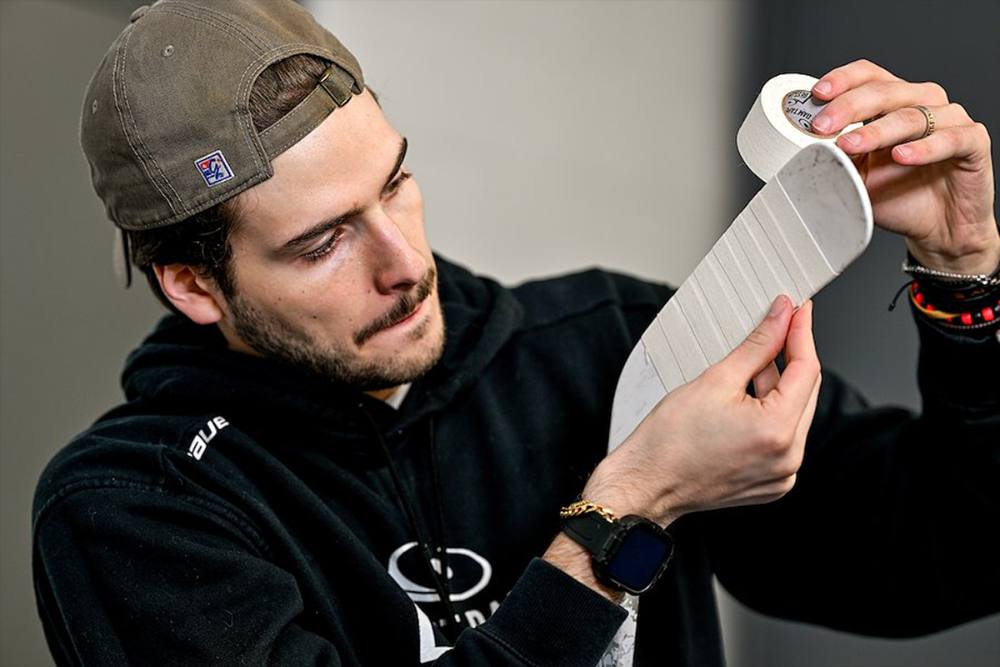
Step 1 - Create initial bond: Start your first wrap with extra pressure. The heel wrap is critical—press down firmly for 10-15 seconds to ensure solid initial adhesion.
Step 2 - Increase overlap: Instead of the standard 50% overlap, go for 60-70% overlap in cold weather. This creates more adhesive contact points and reinforces the hold.
Step 3 - Apply maximum pressure: As you wrap heel-to-toe, press down with your thumb after every single pass. Don't just wrap—actively bond each layer to the previous one.
Step 4 - Seal the edges: Pay extra attention to the toe and edges of your blade. These areas peel first in cold weather. Wrap the toe cap 3-4 times (instead of the usual 2-3) and press down firmly on all edges.
Step 5 - Heat-activate the adhesive: After completing your tape job, use hand warmth or a brief pass with a heat gun (low setting, keep moving) to reactivate the adhesive. Just 30 seconds of warmth can significantly improve cold-weather performance.
The Critical Timing Window
Ideal timeline: Tape 3-4 hours before game time at room temperature, then keep the stick in a temperate environment until 15-20 minutes before game time. This gives the adhesive time to cure at optimal temperature.
If you must tape at the rink: Find the warmest spot possible (heated locker room, your car with the heat on), apply using the steps above, and give the adhesive at least 20-30 minutes to set before hitting the ice.
Emergency re-tape between periods: If tape fails mid-game, remove the old tape completely (don't tape over it), dry the blade as much as possible, and apply new tape using maximum pressure. It won't be as good as a warm application, but it's your best option.
Wax: Your Cold-Weather Secret Weapon
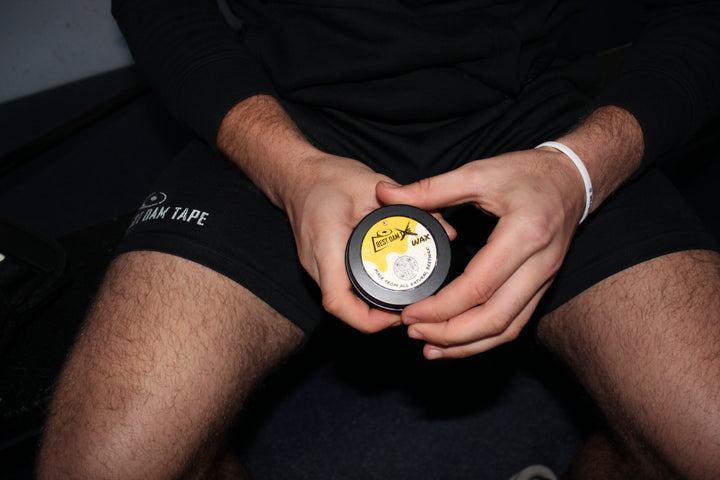
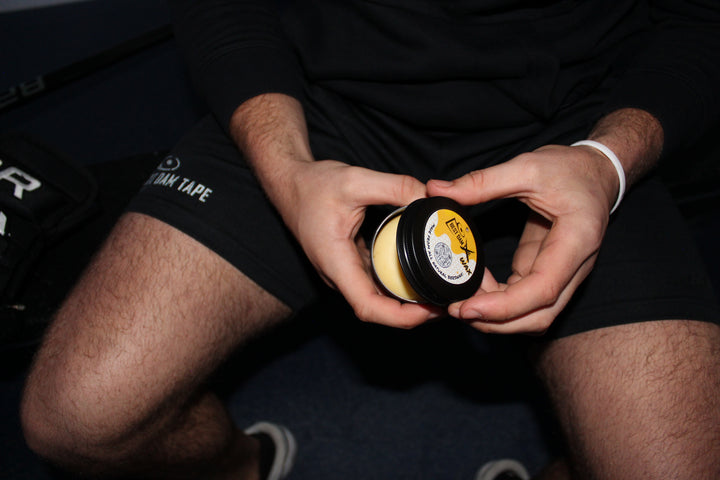
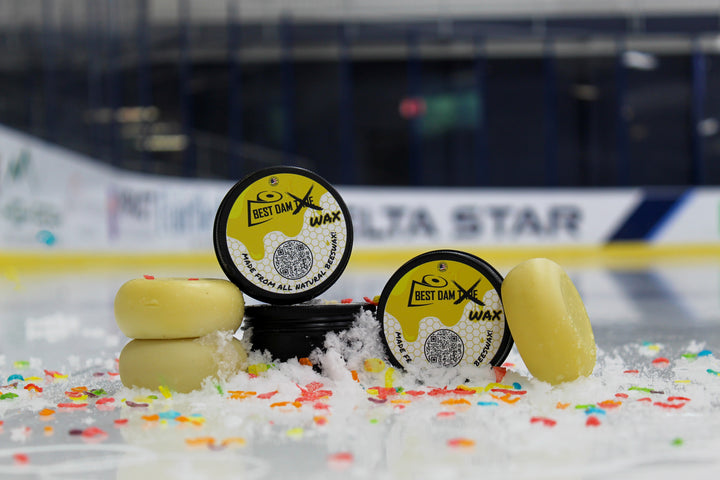
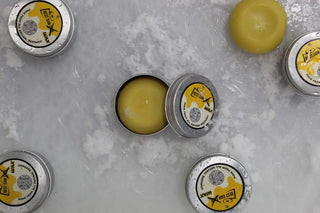
Stick wax isn't just for indoor games. It's absolutely essential for outdoor hockey.
Why Wax Matters More in Cold
Snow barrier: Wax creates a hydrophobic (water-repelling) coating that prevents snow from sticking to your blade. Without wax, snow accumulates rapidly on tape, adding weight and killing puck feel.
Ice prevention: The same water-repelling properties prevent ice from bonding to your tape surface.
Adhesive protection: Wax creates a protective layer over the tape, shielding the edges from moisture that can work its way under the tape and cause peeling.
Performance: Even in cold weather, waxed tape maintains better puck feel and control than unwaxed tape.
Cold-Weather Wax Application Protocol
Pre-game application: Apply wax generously before you leave the locker room. Make 5-6 firm passes over the entire blade surface (not the usual 3-4). You want a visible wax coating.
Between periods: Re-wax aggressively. Cold weather breaks down wax faster than indoor play. Make 4-5 passes over the blade between each period.
During long breaks: If you're at a tournament with significant breaks between games, re-wax right before you go back on.
Emergency field wax: Keep wax in an inside pocket where body heat keeps it slightly soft. Cold wax is hard to apply and won't coat as well.
Preventing Snow and Ice Build-Up
Beyond wax, these strategies help keep your blade clean:
Blade Maintenance During Play
Bang your stick: After every shift, bang your stick blade on the ice (away from the play) to knock off accumulated snow. Make this a habit.
Wipe between periods: Keep a dry towel in the bench area. A quick wipe-down between periods removes snow and ice before it freezes solid.
Avoid snow banks: When you're on the bench, keep your blade elevated or resting on the boards, not in the snow that accumulates at ice level.
Tape Coverage Strategy
Full coverage is essential: In cold/outdoor play, tape the entire blade from heel to toe with no gaps. Exposed blade areas collect snow and ice that then works under the tape edges.
Consider friction tape overlay: Some players apply a final layer of specialized friction tape over the toe and heel edges for extra snow resistance. This is advanced but effective in brutal conditions.
Position-Specific Cold Weather Adjustments
Forwards
You handle the puck constantly, so blade performance matters most. Budget extra time for meticulous blade taping and plan to re-wax frequently (even between periods if conditions are bad). Consider carrying backup sticks with fresh tape jobs for outdoor tournaments.
Defensemen
Your sticks take more abuse from shot blocking and clearing pucks from snow banks. Apply tape extra heavily on the heel and lower portion of the blade where you make most contact. Consider re-taping at halftime of outdoor games.
Goalies
Goalie paddle tape faces even worse conditions because you're constantly pushing snow. Use premium cold-resistant tape only, apply with maximum overlap and pressure, and consider a final seal layer of clear tape over the bottom edge of the paddle for extra water resistance.
Emergency Repairs and Field Fixes
When tape fails at the worst possible moment:
Between Periods
-
Remove all failing tape completely (don't add new tape over old)
-
Dry the blade as thoroughly as possible with a towel
-
Warm the blade with your hands or heat from the locker room for 2-3 minutes
-
Apply new tape with maximum pressure
-
Wax immediately and heavily
-
Give it 5-10 minutes to set if possible before returning to ice
Mid-Game Quick Fix
If you notice peeling starting but the tape is mostly intact:
-
Press down the peeling edges firmly with your glove during a break in play
-
Add a few wraps of fresh tape over the problem area (this is your only acceptable tape-over-tape scenario)
-
Wax heavily to seal everything
-
Plan to fully re-tape next period
The Budget Calculation: Is Cold-Resistant Tape Worth It?
Regular tape in cold weather:
-
Lasts 1-2 periods before significant failure
-
Requires mid-game re-taping (wastes tape and time)
-
Often need 2-3 tape jobs per outdoor game
-
Cost: $2-3 per game in wasted tape
Premium cold-resistant tape (like Best Dam Tape):
-
Lasts full game in moderate cold (20-32°F)
-
Lasts 2-3 periods in extreme cold (0-20°F)
-
Rarely requires mid-game re-taping
-
Cost: $1-1.50 per game
Cold-resistant tape actually costs less per outdoor game when you account for fewer re-taping sessions and better performance. Plus you spend less time fighting your equipment and more time playing.
Storage Considerations for Cold-Weather Players
Tape storage: Keep your tape supply in a temperature-stable environment (55-75°F). Don't store tape in unheated garages or sheds where temperature swings degrade adhesive quality.
Pre-game prep: Bring tape to the outdoor rink in an inside pocket or insulated bag. Cold tape has diminished adhesive performance.
Stick storage: If you tape your sticks in advance, store them at room temperature until game time. Don't leave pre-taped sticks in your cold car or garage.
Common Cold-Weather Taping Mistakes
Mistake #1: Using the same technique and tape as indoor games
Cold weather demands different tape and technique. Standard approaches fail.
Fix: Switch to cold-resistant tape and follow the application protocol above.
Mistake #2: Taping right before the game in freezing conditions
Adhesive needs warmth to bond properly.
Fix: Tape indoors 2-4 hours before game time, or find the warmest possible location if you must tape at the rink.
Mistake #3: Skipping wax or applying it lightly
Without generous wax, snow builds up within minutes.
Fix: Apply wax heavily (5-6 passes) and re-wax between periods.
Mistake #4: Not re-waxing between periods
Even with initial wax, cold conditions break it down faster than indoor play.
Fix: Make between-period wax application part of your routine. Keep wax easily accessible.
Mistake #5: Taping over failed tape
This never works and wastes good tape.
Fix: Always remove failed tape completely and start fresh.
Extreme Cold Protocol (Below 0°F)
When temperatures drop into truly brutal ranges:
-
Use only premium cold-resistant tape (Best Dam Tape or equivalent)
-
Tape indoors 3-4 hours before game time
-
Apply with 70% overlap and maximum pressure
-
Use heat gun to activate adhesive after application
-
Apply wax extremely heavily (6-8 passes)
-
Keep stick in warm environment until 10 minutes before game
-
Re-wax every period without fail
-
Bring backup sticks with fresh tape jobs
-
Accept that performance won't match indoor conditions. Just try to minimize degradation
The Bottom Line
Cold weather and outdoor hockey create unique challenges for tape performance, but they're completely manageable when you understand the science and adjust your approach. The key factors are:
1. Use tape specifically designed for cold weather: Standard tape fails in freezing temperatures. Premium cold-resistant options like Best Dam Tape maintain performance across temperature ranges.
2. Apply tape at warm temperatures when possible: Give adhesive optimal conditions to bond before exposing it to cold.
3. Use proper cold-weather technique: Increased overlap, maximum pressure, and edge sealing overcome cold-weather challenges.
4. Wax heavily and frequently: Wax is your primary defense against snow and ice build-up.
5. Plan ahead: Cold-weather success comes from preparation, not last-minute fixes.
Outdoor hockey is too much fun to let tape problems ruin your experience. With the right materials and technique, your stick will perform nearly as well on a frozen pond as it does in a pristine indoor facility.
Get the Right Gear for Cold Weather
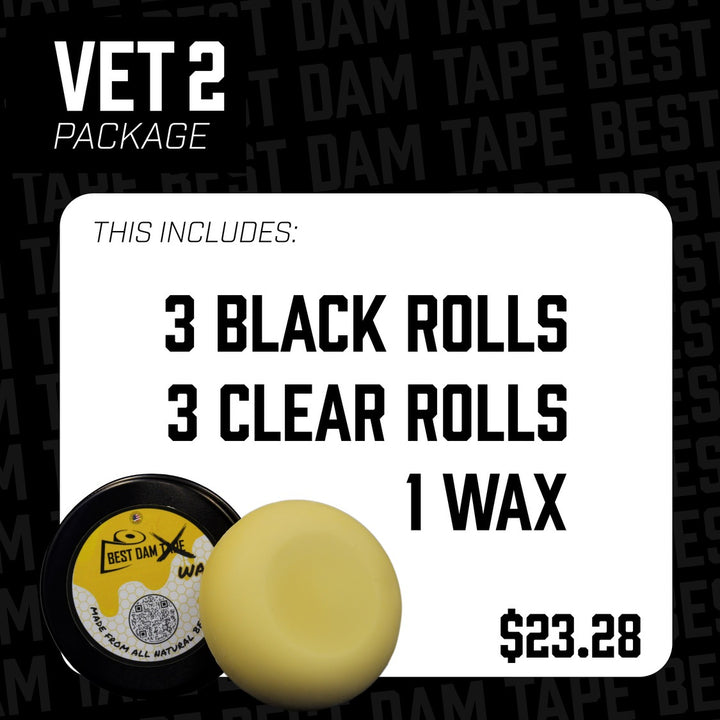
Ready to dominate in any conditions? Get Best Dam Tape's cold-resistant hockey tape engineered specifically for players who refuse to let weather affect their game. Don't forget stick wax for essential snow and ice protection.
Playing outdoor tournaments? Stock up with our team bulk orders so you're never caught without fresh tape in freezing conditions.