





Goalie Knob Builds Explained: 5 Pro-Style Setups with Step-by-Step Guide
Every goalie develops their own preference for stick feel, but one element consistently separates amateur setups from professional-grade equipment: the knob. While skaters often settle for a simple tape wrap at the top of their stick, elite goalies treat knob construction as precision engineering. The right knob build affects puck handling, glove positioning, blocker control, and even recovery speed on scramble plays.
This guide breaks down five distinct goalie knob styles used at the highest levels of hockey, complete with measurements, material requirements, and functional advantages for different playing styles.
Why Goalie Knobs Matter More Than You Think
Before diving into specific builds, it's important to understand why goalies invest so much effort into this detail. The knob serves several critical functions:
Glove Reference Point: When your blocker hand slides up or down the shaft during play, the knob provides instant tactile feedback about hand position without looking down.
Leverage Control: Different knob shapes change the fulcrum point for stick handling, affecting how much effort is required for poke checks, paddle-down coverage, and puck movement.
Prevention of Slippage: A properly built knob creates a physical barrier that prevents your top hand from sliding off during aggressive stick extension or when wet from ice spray.
Comfort During Recovery: After making a save, goalies often plant the knob against the ice or their pad while recovering position. The knob shape affects how comfortable and efficient this movement becomes.
Now let's examine five professional knob styles and how to build each one.
The Classic Cylinder: Connor Hellebuyck Style
Best For: Hybrid goalies who use frequent poke checks and value consistent hand positioning
Dimensions: 1.5 inches in diameter, 3 inches in length
Materials Needed: One full roll of cloth tape
Photo Callout 1: Close-up showing uniform cylindrical shape from multiple angles
The classic cylinder represents the most common professional goalie knob. Winnipeg Jets goaltender Connor Hellebuyck has used variations of this build throughout his Vezina Trophy-winning career.
Step-by-Step Build Process
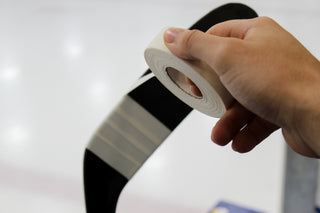
Start by placing your top hand where you naturally grip the stick during your stance. Mark this position with a small piece of tape as your reference point.
Begin wrapping 2 inches below your mark, overlapping each wrap by approximately 50%. Apply firm, consistent tension. Not so tight that the tape stretches thin, but firm enough to create a solid base without gaps.
Continue wrapping upward past your initial mark, building a foundation layer that extends roughly 3 inches total. Once you reach the top, reverse direction and wrap back down over your first layer.
Repeat this up-and-down pattern for 8-10 complete passes. The goal is creating a uniform cylinder with consistent diameter from bottom to top. Check your work by rolling the stick on a flat surface. It should roll smoothly without wobbling.
For the finishing layer, wrap from bottom to top one final time with slightly overlapping spirals. This creates a smooth surface without ridges that can catch on your glove palm.
Functional Advantages: The uniform diameter means your hand position remains consistent whether you're high or low on the knob. This is particularly valuable for goalies who adjust their grip during play. The cylindrical shape also provides reliable leverage for poke checks without pressure points.
The Tapered Cone: Andrei Vasilevskiy Style
Best For: Butterfly-style goalies who prioritize quick hand transitions
Dimensions: 2 inches diameter at top, tapering to 1.25 inches at bottom over 3.5 inches length
Materials Needed: One full roll of cloth tape, scissors
Photo Callout 2: Side profile showing gradual taper from thick to thin
Tampa Bay's Andrei Vasilevskiy popularized this tapered design, which has become increasingly common among NHL goalies who play deep in their crease.
Step-by-Step Build Process
Mark your natural grip position, then extend 3.5 inches down the shaft. This will be your working zone.
Begin at the bottom of this zone with standard overlapping wraps. For the first inch of length, maintain consistent overlap to build a modest base diameter of approximately 1.25 inches.
As you continue wrapping upward, gradually increase your overlap ages from 50% to 70%. This creates the taper effect. More layers are accumulating toward the top.
When you reach the top portion (final 1.5 inches), add extra wrapping passes to build bulk. You may need to make 3-4 additional up-and-down passes just in this top section to achieve the full 2-inch diameter.
The taper should be gradual and smooth, not stepped. Roll the stick on a flat surface again to check for consistency.
Finish with a tight spiral wrap from bottom to top, ensuring the surface feels smooth to your palm.
Functional Advantages: The wider top creates a definitive end-point that prevents hand slippage during aggressive stick movements. The tapered design allows for quick hand slides down the shaft when transitioning from butterfly to paddle-down position. Many goalies report this shape feels more natural and requires less grip strength to maintain control.
The Ergonomic Bulb: Igor Shesterkin Style
Best For: Athletic goalies with aggressive playing styles and frequent scramble situations
Dimensions: 2.5 inches diameter at the center bulb, 1.5 inches at base, 4 inches total length
Materials Needed: 1.5 rolls of cloth tape
Photo Callout 3: Overhead view showing pronounced center bulb with defined grip zones
New York Rangers' Igor Shesterkin uses a distinctive bulbous knob that provides exceptional control during high-movement situations.
Step-by-Step Build Process
Mark your grip position and extend 4 inches down the shaft. Divide this mentally into three zones: base (1.5 inches), bulb (1.5 inches), and taper (1 inch).
Start at the bottom with standard wrapping for the base zone, building to approximately 1.5 inches diameter.
When you reach the bulb zone, increase your wrapping density significantly. You'll need to make 10-12 complete up-and-down passes just in this 1.5-inch section. Build the center of the bulb to 2.5 inches diameter, creating a pronounced rounded shape.
For the top taper zone, gradually reduce layers to create a comfortable transition from the bulb to the stick's end.
The bulb should be centered where your palm naturally cups the knob. Test by gripping the stick—you should feel the bulb nestle into your palm with defined edges above and below.
Finish by wrapping the entire construction with a smooth final layer, paying special attention to the transitions between zones.
Functional Advantages: The bulbous center provides a positive grip surface that reduces required hand pressure, helping prevent fatigue during long games. The defined shape offers exceptional control during stick saves and poke checks. The contoured design also provides a comfortable rest position when planting the knob on the ice during recovery.
The Minimalist Grip: Quick-Change Design
Best For: Goalies who frequently adjust equipment or prefer minimal bulk
Dimensions: 1.25 inches diameter, 2 inches length
Materials Needed: Half roll of cloth tape
Photo Callout 4: Comparison shot showing minimal knob next to standard build
While less common in the NHL, this streamlined approach has advocates among goalies who prioritize easy equipment changes and unencumbered hand movement.
Step-by-Step Build Process
Mark your grip position and extend 2 inches down the shaft. This shorter working zone creates a more compact knob.
Begin wrapping with standard 50% overlap, but limit your build to just 4-5 complete up-and-down passes. This creates adequate grip without excessive bulk.
The final diameter should be approximately 1.25 inches. Noticeably smaller than traditional builds but still providing a definite end-point.
Keep the shape uniform throughout the 2-inch length, avoiding any taper or bulb variations.
Finish with a tight wrapping pass and cut the tape cleanly at the bottom transition point.
Functional Advantages: The reduced bulk makes stick changes faster, which is valuable during practice or when testing different stick specs. The minimal profile allows for unrestricted hand positioning and feels less obtrusive during complex stick handling. Some goalies find this design reduces blocker interference on the backhand side.
The Dual-Zone Control: Hybrid Setup
Best For: Goalies who frequently alternate between deep butterfly and aggressive play
Dimensions: Two distinct zones—lower grip at 1.5 inches diameter, upper knob at 2 inches diameter, 5 inches total length
Materials Needed: 1.5 rolls of cloth tape, contrasting color optional
Photo Callout 5: Side view highlighting two distinct grip zones with gap between
This advanced design creates two separate reference points for different playing situations.
Step-by-Step Build Process
Mark your primary grip position and extend 5 inches down the shaft. Plan for two zones separated by a minimal gap.
Build the lower zone first, starting 3 inches down from the stick's top. Create a 1.5-inch diameter knob over approximately 1.5 inches of length using standard wrapping techniques.
Leave a 0.5-inch gap of unwrapped or lightly wrapped shaft.
Build the upper zone at the stick's top, creating a 2-inch diameter knob over approximately 1.5 inches of length.
The gap between zones should be just enough to provide tactile distinction without being so large that it feels awkward.
Consider using contrasting tape colors for each zone to provide visual as well as tactile differentiation.
Functional Advantages: The dual zones provide distinct hand positions for different situations. Use the upper zone for deep butterfly positioning and the lower zone when playing more aggressively outside the crease. The gap between zones creates instant feedback about which position you're using. This design has gained popularity among goalies who vary their style based on game situation.
Choosing Your Knob Style
Selecting the right knob build depends on several factors:
Playing Style: Butterfly-first goalies often prefer tapered or bulbous designs that support their top hand during long periods of down positioning. Hybrid and aggressive goalies may prefer cylindrical or dual-zone builds that facilitate position changes.
Hand Size: Larger hands can comfortably manage bigger knob diameters, while smaller hands may find minimalist or tapered designs more controllable.
Blocker Type: Some blocker designs have internal structures that limit space for large knobs. Test your build with your blocker on to ensure compatibility.
Ice Time: High-volume practice schedules may warrant more durable, heavily wrapped knobs, while goalies who change sticks frequently might prefer quick-change designs.
Pro Tips for Knob Maintenance
Even the best knob build will degrade with use. Watch for these signs that it's time to rebuild:
The surface feels slick or compressed rather than grippy. The shape has become asymmetrical from uneven wear. The layers have separated, creating soft spots or gaps. Your hand slides during aggressive movements that previously felt secure.
Most professional goalies rebuild their knobs every 4-6 games in competitive play, though practice sticks can go longer between rebuilds.
Tape Selection Makes a Difference
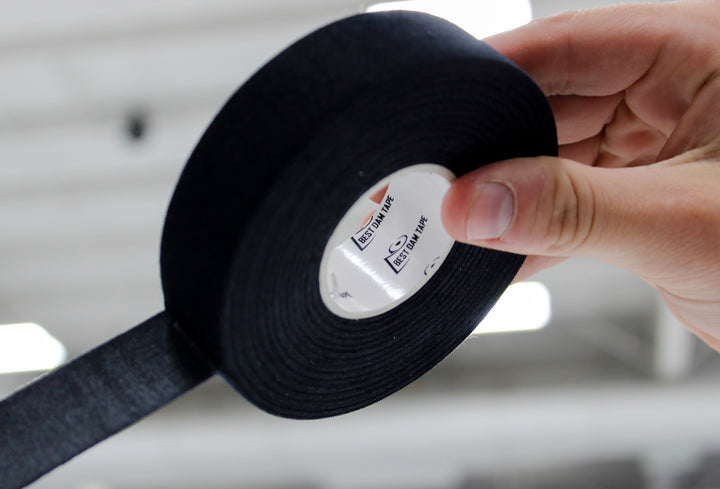
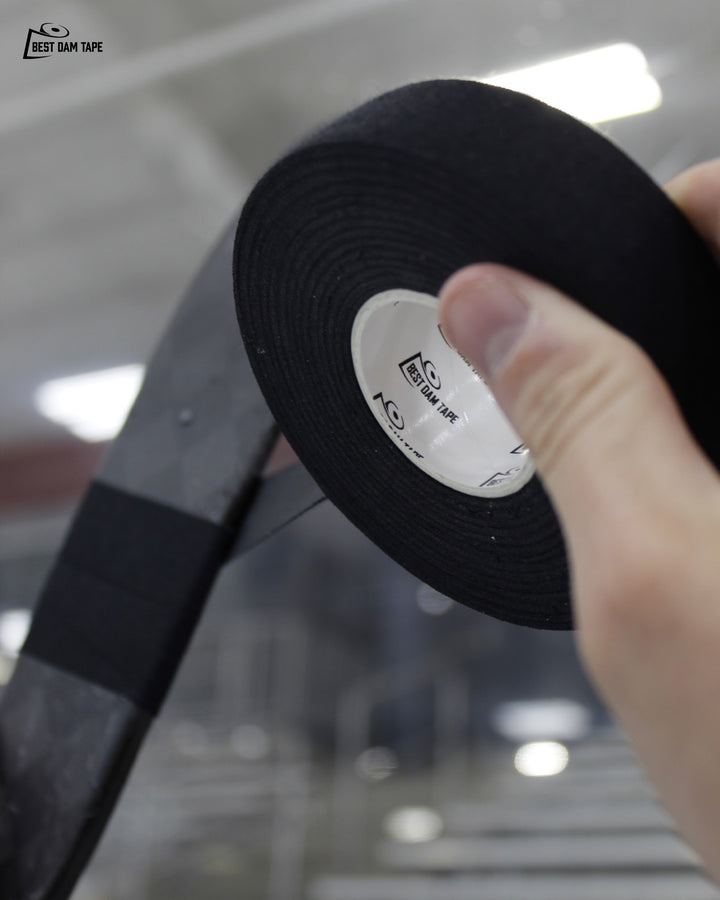
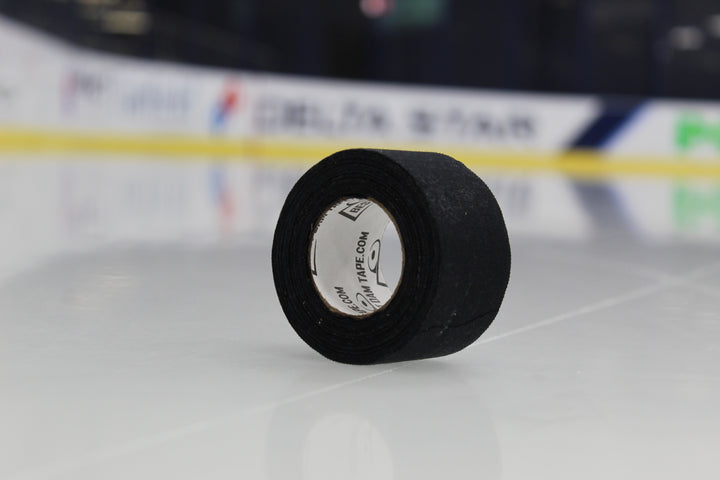
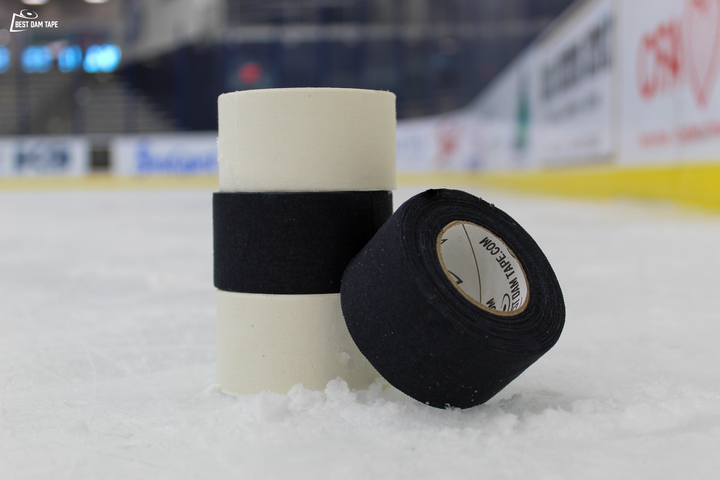
While this guide focuses on construction technique, tape quality significantly impacts the final result. Standard hockey tape works for basic builds, but premium cloth tape provides superior grip and durability.
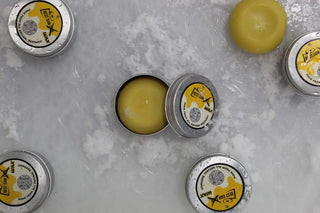
Best Dam Tape's cloth hockey tape is specifically engineered for these demanding goalie applications. The material maintains consistent thickness during wrapping, preventing the uneven builds that occur with cheaper tape that stretches or compresses unpredictably. The adhesive formula provides strong bonding without excessive stickiness that can make precision wrapping difficult.
For goalies building ergonomic or dual-zone knobs that require precise control over dimensions, this consistency becomes especially important. The tape's texture also provides excellent grip without feeling abrasive against your palm during extended play.
Building knobs for your whole team? Get the best value with Best Dam Tape's team bulk orders.
Building Your Perfect Knob
The knob builds outlined here represent starting points rather than rigid specifications. Every goalie should experiment with dimensions, shapes, and techniques to discover what works best for their unique combination of equipment, playing style, and preferences.
Start with one of these five fundamental designs, then refine the measurements and shape based on your experience. Take notes about what feels good and what doesn't, then adjust your next build accordingly.
The investment of time and material is minimal, but the impact on your performance can be significant. A properly built knob becomes an extension of your hand, providing control and confidence that allows you to focus on stopping pucks rather than managing equipment.
Whether you're adopting Vasilevskiy's tapered cone for better hand transitions or building Shesterkin's ergonomic bulb for scramble situations, the right knob build is waiting to elevate your game.