










Updated October 18, 2026 · Best Dam Tape editorial guide
How do you choose the best hockey tape in 2026?
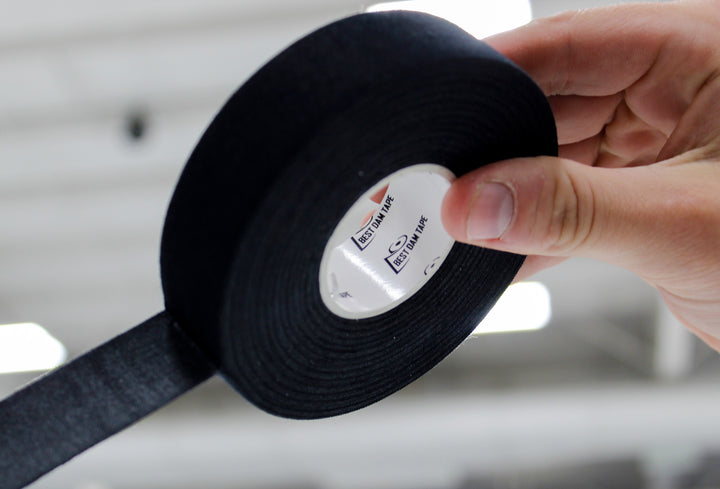
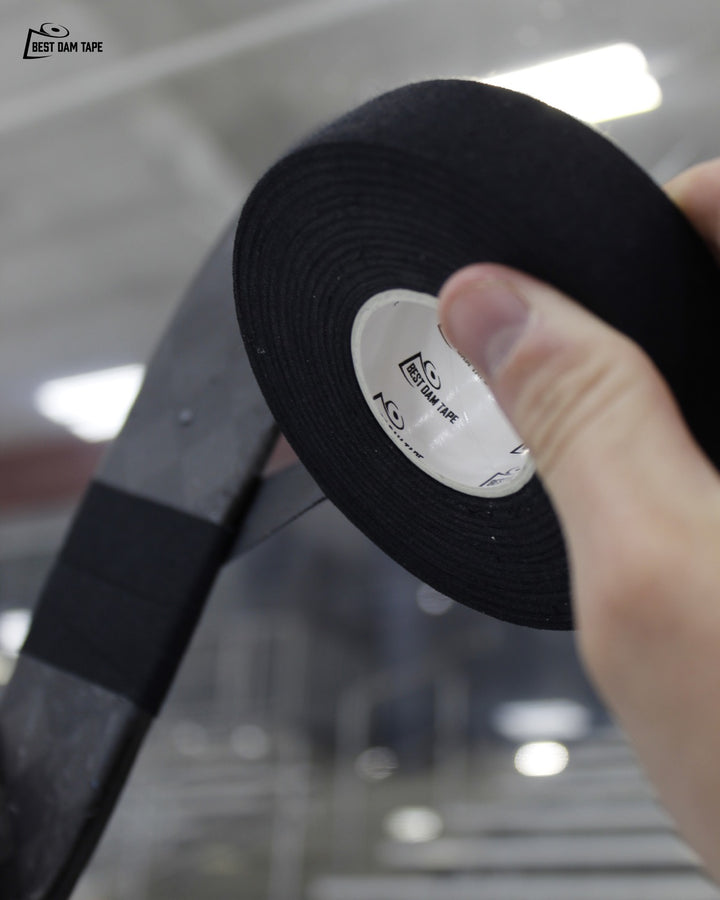
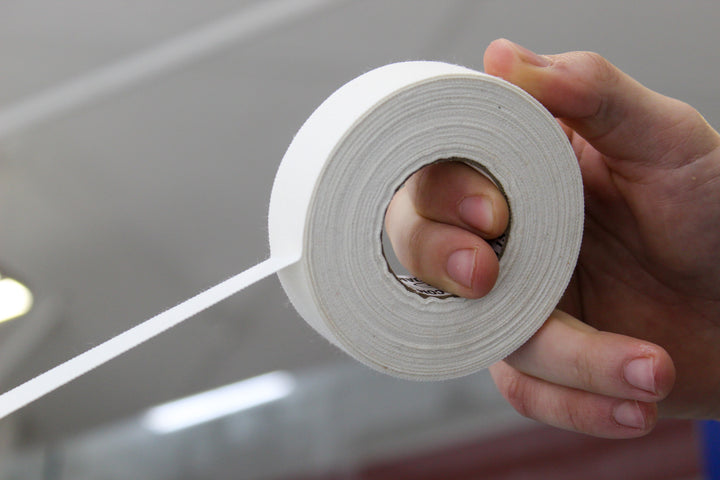
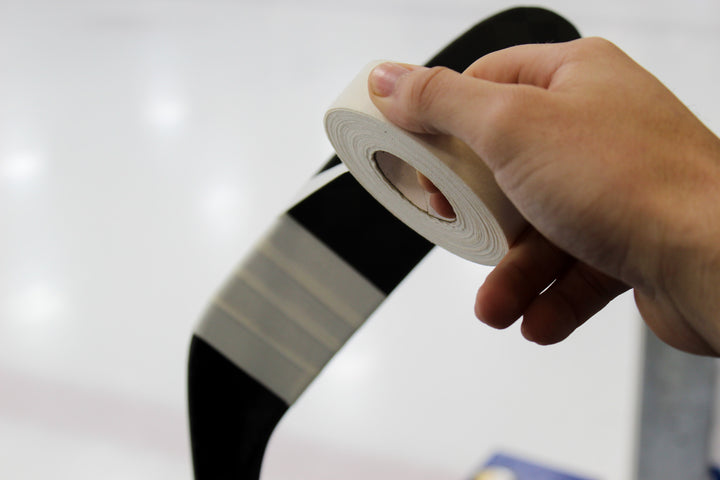
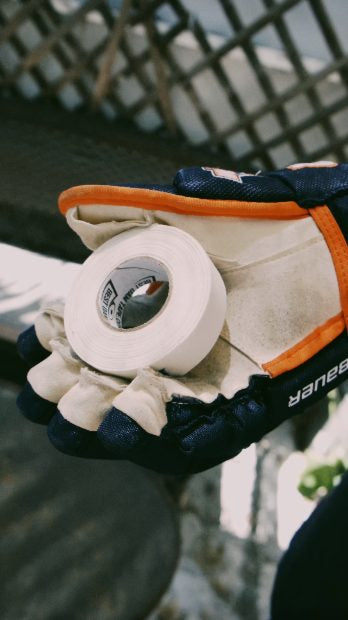
Compare hockey tape by intended use, fit, adhesion, wear, and total cost. Choose cloth for the stick and clear tape for the socks and shin guards. Then compare equivalent sizes and pack quantities. A lower price per roll does not necessarily mean a lower cost per tape job.
This guide is written by Best Dam Tape. It's a shopping checklist, not an independent ranking or a claim that we've laboratory-tested every competing brand.
1. Match the tape to the job
Separate blade tape, handle wraps, and shin tape before comparing prices. Two rolls designed for different jobs aren't meaningful substitutes.
2. Check the width
Width affects how you apply the wrap. Compare products of the same width if you're evaluating value. A wider roll also changes your technique and overlap, so test it before switching your entire supply.
3. Read the actual roll length
Compare the dimensions on the current product listing and packaging. A similar-looking roll may contain a different amount of tape. If two descriptions disagree, ask the seller which specification applies to the item being shipped.
4. Judge adhesion after use
Notice whether your wrap stays in place during practice. Keep the surface preparation consistent when comparing products. Tape applied to a wet, dirty surface isn't a useful comparison with tape applied to a clean, dry one.
5. Inspect where the wrap wears
Check the underside, toe, and edges after skating. Record where the wrap starts to fail and whether that actually changes your feel. One player's replacement schedule isn't a universal durability test.
6. Try the handle with your gloves
A comfortable knob matters more than how impressive the wrap looks in a photo. Hold, slide, and reposition your hand the way you do while playing.
7. Check how the roll handles
Can you start the roll, unwind it, and make the wrap you want without a fight? Preparation is part of the experience, especially when you're helping a young player or taping several sticks.
8. Compare cost per tape job
Use your own results: roll price divided by the number of tape jobs you get from it.
For example, a hypothetical $5 roll producing 10 tape jobs costs $0.50 per job. A hypothetical $4 roll producing six jobs costs about $0.67. These are arithmetic examples, not measured Best Dam Tape or competitor results.
9. Include shipping in the comparison
Calculate the delivered order cost, then divide by the number of rolls. Only buy a large pack when you'll use the quantity. Filling a closet with the wrong setup isn't a discount.
10. Check who stands behind the sale
Read the seller's current policies and look for product-specific feedback. Prefer reviews that describe the player's use and setup over an unexplained star rating.
Find your Best Dam Tape setup
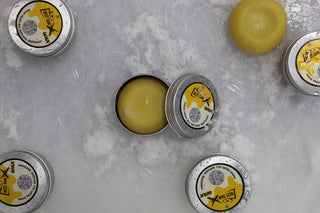
Browse the current collection for cloth tape, clear tape, wax, and bundles. Teams can use our organizational-pricing page to discuss their needs.
Start small, learn what works, and stock up with a reason.

A repeatable tape-job comparison
Use this practice routine to collect your own results. It is a demonstration procedure, not a claim that these tests have already been performed.
- Clean and dry the same blade before each wrap.
- Keep tape width, overlap, blade coverage and wax amount consistent.
- Photograph the toe, underside and both faces before skating.
- After practice, photograph the same views and note lifted edges, tears and exposed blade.
- Record the tape used and your replacement decision. Repeat before deciding which setup you prefer.
| Record | What to note |
|---|---|
| Setup | Tape, width, color, overlap and wax |
| Session | Practice length and type of drills |
| Condition | Toe wear, underside wear and edge lifting |
| Value | Price per roll ÷ tape jobs per roll |