










Fix Common Taping Mistakes Fast: Tunnels, Overlaps, Frays, Residue
Every hockey player has been there: you're taping your stick before practice, and suddenly you notice something's off. Maybe the tape is bunching up, leaving gaps, or starting to fray before you even take a shot. These taping mistakes aren't just annoying. They can affect your stick handling, shot accuracy, and overall performance on the ice.
The good news? Most common taping problems have quick fixes that don't require starting from scratch. Whether you're dealing with tunnels in your blade tape, overlapping mess on your grip, frayed edges, or stubborn residue, this guide will help you identify the problem and fix it fast.
Understanding Tape Tunnels and How to Fix Them
Tape tunnels are those frustrating air pockets or gaps that form between the tape and your blade. They typically appear as raised sections that feel spongy when you press them, and they're one of the most common taping mistakes players make.
How to Identify Tunnels: Run your finger along your taped blade. If you feel any areas that compress easily or see visible gaps between layers, you've got tunnels. They often occur at the heel or toe of the blade where curves are most pronounced.
Quick Fix at the Rink: If you're short on time, use your thumb to press down firmly on the tunnel area while supporting the blade from underneath. Sometimes this alone can eliminate small air pockets. For slightly larger tunnels, carefully lift the outer layer of tape just enough to smooth the trapped air toward the nearest edge, then press down firmly.
Complete Re-Tape Solution: If tunnels are severe or multiple, it's better to start fresh. Remove the compromised section and re-tape using these prevention techniques: pull the tape tighter as you wrap, especially over curves; use your thumb to smooth each wrap as you go; and apply consistent tension throughout the entire taping process.
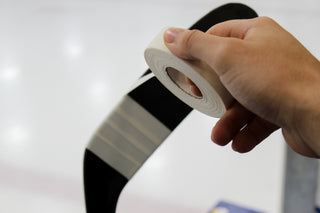
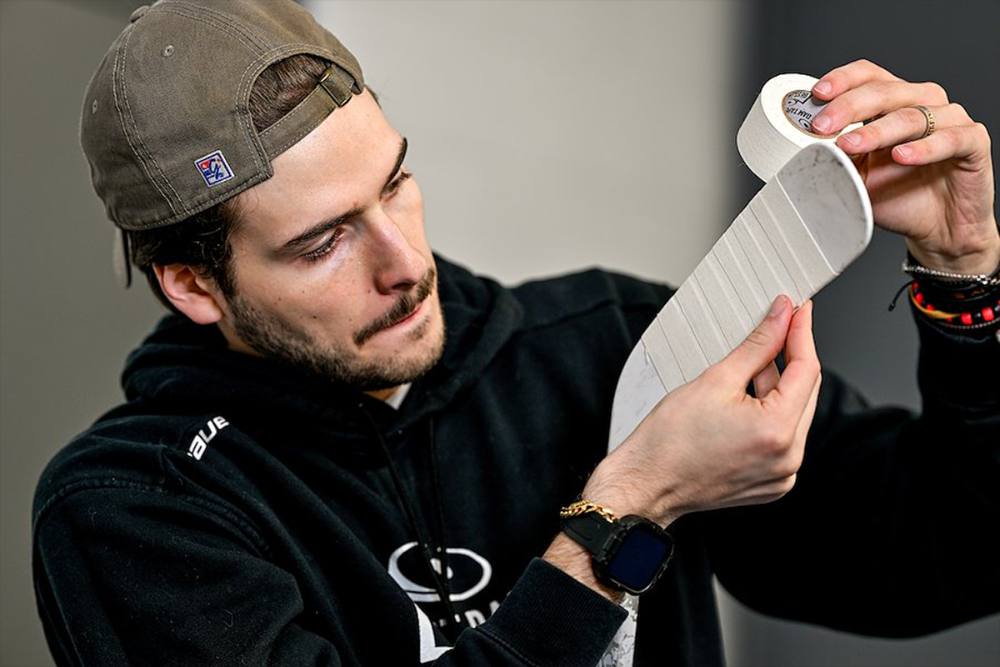
Prevention Techniques: Start your tape application at the heel with firm pressure. As you move toward the toe, maintain steady tension. Not so tight that the tape stretches thin, but firm enough to eliminate air gaps. Overlap each wrap by about half the tape width, and use your thumb to press down each layer immediately after applying it. Quality tape like Best Dam Tape makes this easier because its superior adhesive grips better from the first pass, reducing the likelihood of tunnels forming.
Fixing Overlap Problems on Stick Grips
Overlap issues create an uneven, lumpy grip that can throw off your hand positioning and cause blisters during extended play. This problem usually happens when players aren't consistent with their wrapping angle or tension.
Visual Identification: Look at your grip tape from the side. Does it have thick sections alternating with thin sections? Can you see the shaft through some areas but not others? These inconsistencies indicate overlap problems.
Quick Fix Strategy: For minor overlap issues that create small bumps, you can sometimes compress them by rolling the stick between your palms with firm pressure. This won't fix severe problems, but it can make a grip more playable if you're about to hit the ice.
When to Re-Tape Completely: If your overlaps create bumps higher than 2-3mm or if the inconsistency affects your natural hand placement, strip it and start over. Playing with a poorly taped grip reinforces bad habits and can lead to hand fatigue.
At-the-Rink Emergency Repair: Keep a partial roll in your bag for quick additions. If one section is particularly bad, you can add a few targeted wraps just over that area to even out the thickness. This isn't ideal for the long term, but it works for getting through a practice or game.
Prevention Tips: Mark your starting point with your finger before you begin wrapping. Maintain the same wrapping angle throughout. About 45 degrees works for most players. Each wrap should overlap the previous one by exactly half the tape width. Count your rotations if it helps you stay consistent. The cloth construction of Best Dam Tape provides excellent tactile feedback, making it easier to feel when your tension and angle are consistent.
Dealing with Frayed Edges Before They Ruin Your Tape Job
Frayed edges not only look unprofessional, but they also catch on gloves, collect ice and snow, and signal that your tape job won't last long. Fraying typically starts at the beginning or end of your tape application.
Spotting Early Fraying: Check the edges of your tape, especially at the starting and ending points. Little threads or loose fibers indicate the beginning of a fray. Catching fraying early prevents it from spreading.
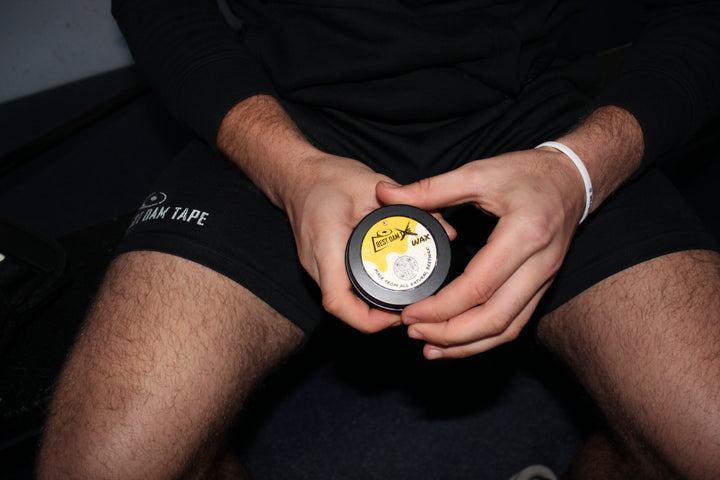
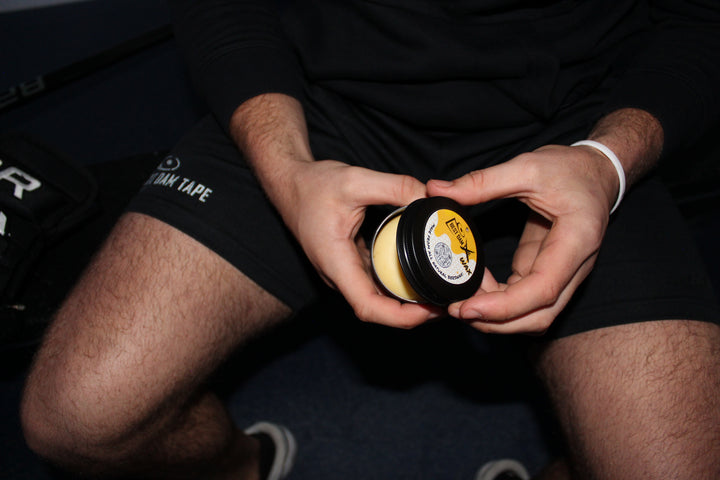
Emergency Fix: If you notice fraying starting before a game, use your thumbnail or a lighter (carefully, and only on blade tape, not near your hands) to seal the edge. A small dab of wax can also temporarily hold fraying fibers in place. Press the frayed section down firmly and add one additional wrap over it to secure.
Complete Fix: If fraying has progressed significantly, remove the affected section and re-tape. Always start and finish your tape with clean, straight tears rather than angled rips, which are more prone to fraying.
Time-Saving Prevention: The single best prevention for fraying is using quality tape. Lower-quality options use loose weaves that separate easily. Best Dam Tape features a tight weave construction that resists fraying even after multiple games. When you finish taping, tear the tape cleanly and press the end down with firm pressure. For blade tape, apply a thin layer of wax over the edges to seal them.
Storage Matters: Store your taped stick in a dry environment when possible. Moisture weakens adhesive and loosens fibers, accelerating fraying. If your stick gets wet during play, wipe it down before storing.
Removing Stubborn Residue Without Damaging Your Stick
Old tape residue is every player's nightmare. It's sticky, attracts dirt, and makes applying fresh tape nearly impossible. Plus, it can damage certain stick finishes if left too long.
Identifying Problematic Residue: After removing tape, run your hand along the blade and shaft. Sticky spots, discoloration, or rough texture indicate residue that needs addressing before re-taping.
Quick Removal Method: For light residue, use the sticky side of fresh tape to lift the old adhesive. Press a piece of tape onto the residue, rub firmly, then peel away. Repeat until clean. This method works great for at-the-rink situations.
Deep Cleaning Approach: For stubborn, built-up residue, use rubbing alcohol on a cloth. Apply it to the residue, let it sit for 30 seconds to break down the adhesive, then wipe clean. For composite sticks, test in a small area first to ensure it doesn't affect the finish. Never use harsh solvents like acetone or paint thinner on composite materials.
Prevention Strategy: The best way to avoid residue is proper removal technique. When stripping old tape, pull slowly at a 45-degree angle rather than straight up. This reduces the amount of adhesive left behind. Remove tape before it gets so old and degraded that the adhesive breaks down into a sticky mess.
Between-Tape Applications: Before applying fresh tape, wipe down the blade and shaft with a clean, dry cloth. Even if there's no visible residue, this removes oils and dust that can interfere with adhesion. Quality tape like Best Dam Tape uses adhesive formulated to grip well without leaving excessive residue, but proper surface prep ensures the best results.
Building Your Emergency Taping Kit
Being prepared for taping emergencies can save games. Keep these items in your bag for quick fixes:
-
Partial roll of your preferred tape (fresh, not old and losing adhesive)
-
Small cloth for cleaning and removing light residue
-
Alcohol wipes for stubborn residue
-
Wax for sealing frayed edges on blade tape
-
Small scissors for clean cuts if needed
When to Fix vs. When to Re-Tape
Not every taping mistake requires starting over. Here's a quick decision guide:
Quick Fix Situations: Small, isolated tunnel (less than 1 inch); minor overlap creating a small bump; early-stage fraying at one edge; light residue in small area.
Complete Re-Tape Situations: Multiple tunnels or one large tunnel affecting feel; significant overlap creating inconsistent grip thickness; advanced fraying that's spreading; heavy residue buildup preventing proper adhesion; tape that's been on for more than 3-4 games (blade) or 2-3 weeks (grip).
The Role of Quality Tape in Mistake Prevention
While technique matters most, tape quality plays a significant role in preventing common mistakes. Higher-quality tape offers consistent thickness, superior adhesive that grips on first contact, tight weave that resists fraying, and clean removal properties.
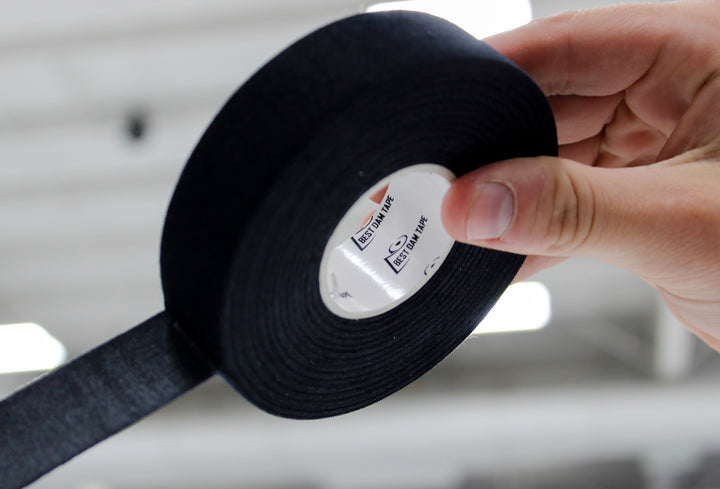
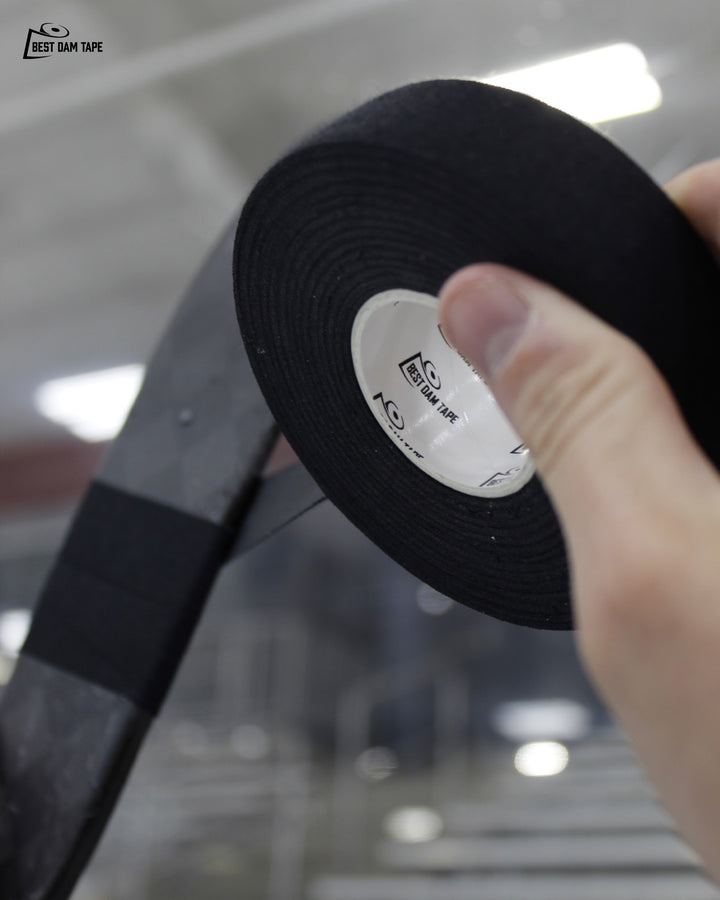
Best Dam Tape is engineered specifically to minimize these common problems. The balanced adhesive formula provides excellent grip without becoming impossible to remove or leaving excessive residue. The tight, durable weave resists fraying even through multiple games, and the consistent thickness across the entire roll makes achieving proper overlap easier and more intuitive.
Tired of fighting with poor-quality tape? Upgrade to Best Dam Tape and spend less time fixing mistakes. Get the best value with our team bulk orders.
Practice Makes Perfect
The more you tape, the better you'll get at both preventing and fixing common mistakes. Pay attention to what causes problems in your tape jobs and adjust your technique accordingly. With quality materials and proper technique, you'll spend less time fixing mistakes and more time focusing on your game.
Remember, even professional players deal with taping issues occasionally. The difference is they've developed the skills to identify and fix problems quickly. By mastering these common fixes and prevention techniques, you'll have one less thing to worry about before hitting the ice.