









Tape and Wax Combo Guide: When to Wax, How Much, and Game-Day Checks
Let's be real: taping your stick is only half the battle. If you're not waxing that blade, you're basically leaving performance on the table. But here's the thing… there's actually a science to the tape-and-wax combo, and getting it right can seriously level up your game.
Whether you're getting ready for a championship game or just hitting the ice for practice, knowing when to wax, how much to use, and what to check throughout the day makes a massive difference. Let's break down everything you need to know about the ultimate tape-and-wax partnership.
Why the Tape-Wax Combo Is a Game-Changer
First things first: why do we even wax tape? Isn't the tape enough? Not quite. Fresh tape alone absorbs moisture like a sponge and on ice. Moisture is everywhere. When your blade tape soaks up water and snow, it gets heavy, loses grip, and makes puck control feel like you're handling a wet bar of soap.
Wax creates a water-resistant barrier that keeps your tape dry and grippy. It also helps the puck stick to your blade during handling and adds that satisfying snap to your shots. Basically, wax takes your tape from good to elite.
But too much wax? That's just as bad as none. You'll get a slippery blade that repels the puck instead of controlling it. The key is finding that sweet spot, and that's exactly what we're covering here.
Pre-Game Waxing: Setting Yourself Up for Success
Your pre-game wax application is the foundation for everything that follows. This is where you build that protective barrier that'll last through warmups and into the first period.
Timing: Wax your blade 15-30 minutes before you hit the ice. This gives the wax time to set into the tape fibers without being so early that it picks up dust and debris from your bag.
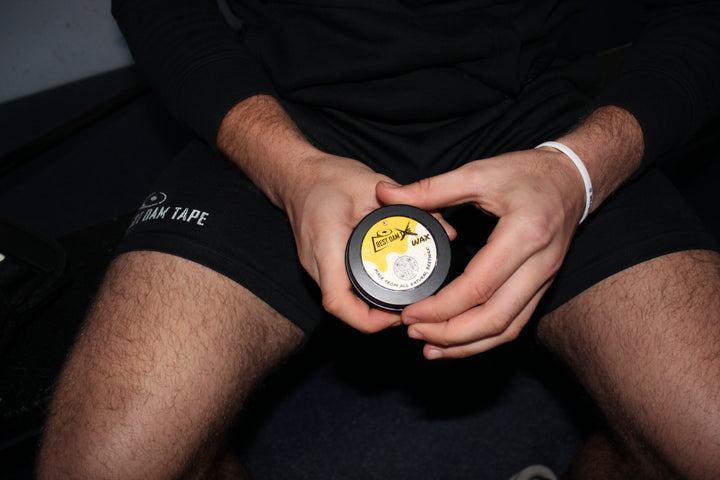
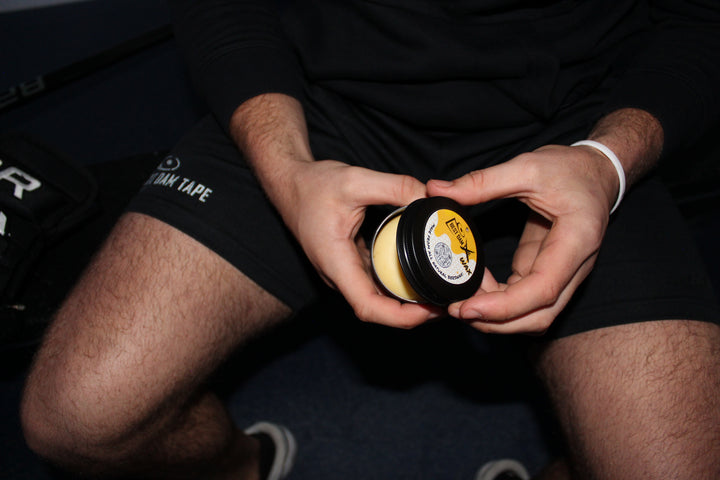
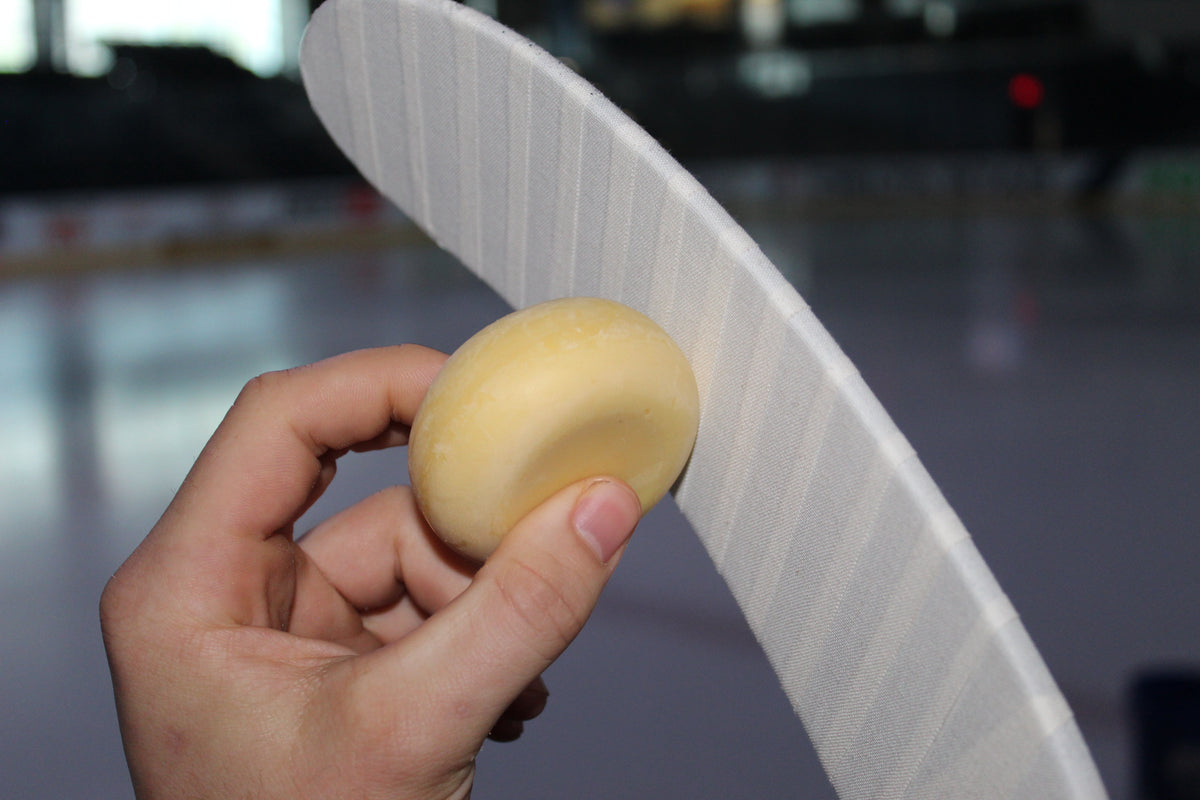
The Technique: Hold your wax at a 45-degree angle and apply firm, even pressure. Start at the heel and work toward the toe in smooth, continuous strokes. Here's the magic number: 3-4 firm passes over the entire blade. That's it. You want to see a thin, even coating that slightly changes the tape's appearance from matte to subtle sheen.
Common Pre-Game Mistakes: Don't scrub back and forth aggressively. That heats up the wax too much and creates thick, uneven buildup. And definitely don't wax only the middle of your blade. You use the entire blade during play, so cover the whole thing, including those last few millimeters at the toe and heel.
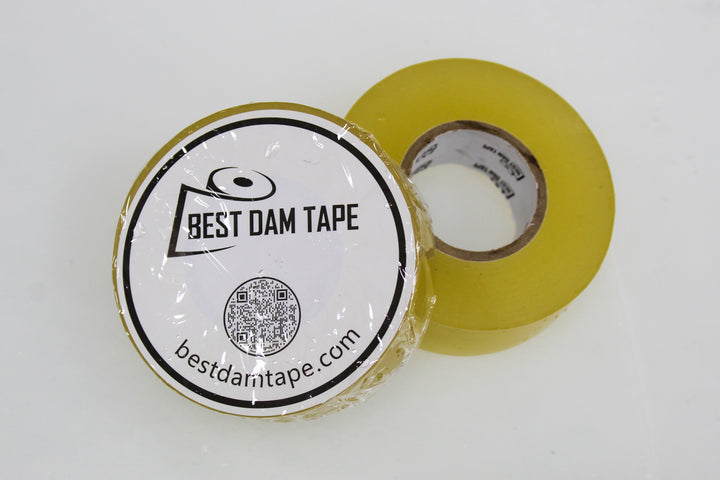
Best Dam Tape Pro Tip: Quality tape like Best Dam Tape has a tight weave that holds wax better and more evenly. Cheaper tapes with loose weaves soak up wax unevenly, forcing you to use more product for less protection.
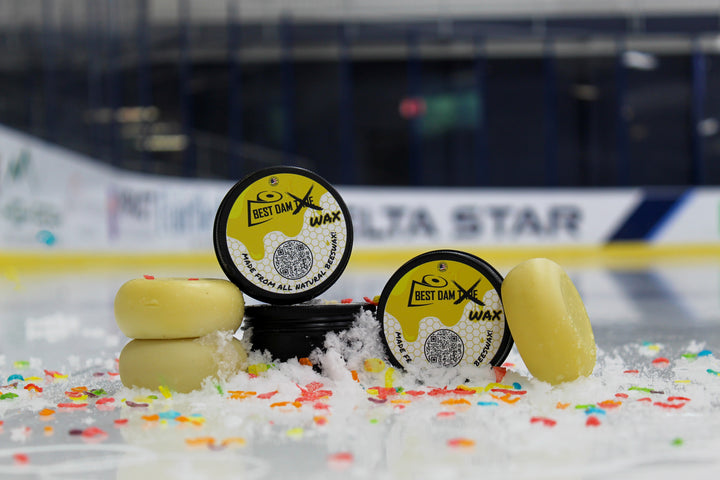
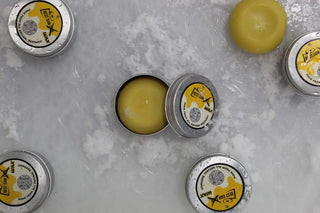
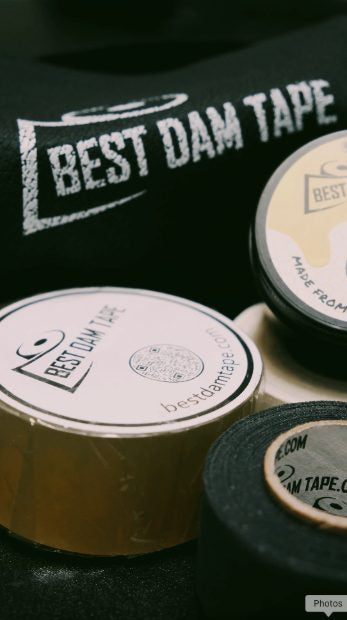
Get the perfect combo: Best Dam Tape's hockey tape and stick wax are engineered to work together for optimal performance.
Between Periods: Quick Maintenance Checks
The buzzer sounds, you head to the locker room, and you've got about 15 minutes to recharge. This is prime time for a quick blade check and touch-up.
What to Check: Run your gloved hand across your blade. Does it feel wet or spongy? Can you see the tape looking darker or saturated in any areas? Those are signs the wax barrier is breaking down.
The Between-Period Touch-Up: If your blade feels damp, grab your wax and do 1-2 quick passes over the affected areas. You're not re-doing your whole pre-game application here—just refreshing the barrier. Think of it like adding a quick coat of sunscreen at the beach, not a full reapplication.
When to Skip the Touch-Up: If your blade still feels dry and the tape looks good, leave it alone. Over-waxing between periods is a common rookie mistake. Too many layers create that slippery, puck-repelling surface nobody wants.
Hydration Break Reality: Yeah, you should be drinking water and catching your breath during intermission, not obsessing over your stick. That's why the between-period check should take literally 10 seconds. Quick feel, quick look, quick decision.
Practice vs. Game: Adjusting Your Wax Strategy
Not all ice time is created equal, and your waxing approach should reflect that.
Practice Waxing: For regular team practices, you can dial it back a bit. 2-3 firm passes of wax is usually plenty. Practice is where you're working on skills, not necessarily playing at game intensity for extended periods. Plus, if you're doing a lot of shooting drills, you might actually want slightly less wax for better feel and feedback.
Game-Day Waxing: Games are war. You need maximum protection because you can't control when you'll get shifts, how wet the ice is, or how physical things get. Stick with the full 3-4 passes and plan for that between-period touch-up.
Tournament Consideration: Playing multiple games in a day? After each game, check if you need to re-tape and re-wax. If the tape is still in good shape (no fraying, decent water resistance), a fresh wax application might be all you need for the next game.
Playing Style Customization: Dialing In Your Perfect Amount
Here's where it gets really interesting—your playing style should influence how much wax you use.
For Dangler/Stickhandling Players: You live and die by puck control, so you need grippy blade surfaces. Use the full 3-4 passes, but make sure they're even and smooth. Uneven wax creates unpredictable puck behavior during dekes and toe drags.
For Shooters/One-Timer Specialists: You want just enough wax for water resistance without sacrificing blade feel. Try 2-3 passes with slightly lighter pressure. This maintains the tactile feedback that helps you read the puck position during your release.
For Physical/Board-Battle Players: You're constantly grinding along the boards where ice spray and moisture are intense. Go for the full 4 passes and don't skip the between-period touch-up. Your blade takes more abuse than anyone else's.
For Defensemen: Often depends on your role. Stay-at-home defenders might want moderate wax (3 passes) for reliable puck handling on exits. Offensive defensemen who jump into the rush might lean toward the shooter approach.
Performance Indicators During Play
Learning to read your blade's performance during a game helps you make smart adjustments.
Signs You Need More Wax: The puck feels heavy or sluggish on your blade; you can feel moisture through your gloves when you touch the blade; ice and snow are clumping on the tape; your passes and shots feel mushy instead of crisp.
Signs You Have Too Much Wax: The puck slides around uncontrollably during stickhandling; you can't feel the puck position on your blade; passes are going wild because the puck has no friction; the blade surface looks shiny or glazed.
The Sweet Spot Feel: When your wax application is perfect, you shouldn't really think about your blade at all. The puck feels natural, water beads off the tape, and every touch is predictable and confident.
Over-Waxing Troubleshooting
So you went a little too hard with the wax stick. It happens. Here's how to fix it without re-taping.
Quick Fix on the Bench: Take a few hard slap shots against the boards. The friction helps remove excess wax and evens out what remains. Not ideal, but it works in a pinch.
Between Periods: Use a clean towel to rub the blade firmly. This buffs away the excess while leaving the base layer intact. Don't use a wet towel. Moisture defeats the purpose.
Prevention: Count your passes. Seriously, just count. "One, two, three, four. Done." It sounds basic, but it works. Once you develop muscle memory for the right amount, you won't have to count anymore.
Game-Day Integration: Building Your Routine
The best players have consistent routines, and your tape-wax combo should be part of that.
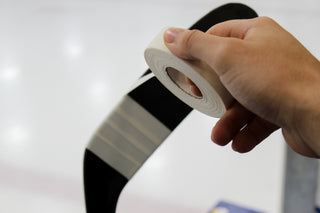
30 Minutes Before: Finish taping if you haven't already. Quick visual check for tunnels or frays.
15 Minutes Before: Apply your pre-game wax. 3-4 firm passes, heel to toe.
Just Before Warmups: Final equipment check. Give your blade a quick touch to confirm the wax has set.
First Intermission: Quick blade feel-test. Touch-up if needed.
Second Intermission: Same quick check. By the third period, you usually know if your wax job is holding up.
Post-Game: Wipe down your blade to remove ice debris and moisture. This helps preserve the tape for one more game if it's still in good shape.
The Bundle Advantage: Tape + Wax Together
Here's something a lot of players don't think about: buying your tape and wax together isn't just convenient. It actually makes sense from a performance standpoint.
When you use products designed to work together, like Best Dam Tape and Best Dam Wax, you get consistent results. The tape weave is engineered to hold specific types of wax, and the wax formula is designed to bond with that particular fabric construction.
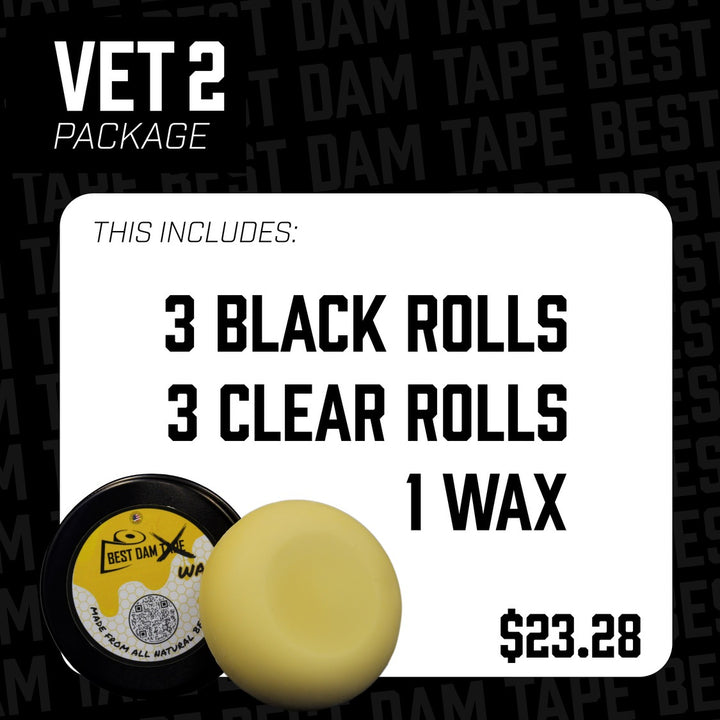
Plus, having both in your bag means you're never caught without one or the other. How many times have you taped your stick only to realize your wax is gone? Or had wax but no fresh tape? The bundle solves that problem and usually saves you money compared to buying separately.
Stock your whole team: Get the best value on tape and wax combos with Best Dam Tape's team bulk ordering.
Reading the Ice: Environmental Adjustments
Different rink conditions might require tweaking your approach.
Cold, Dry Ice: Needs less wax since there's less moisture to fight. 2-3 passes might be plenty.
Warm, Wet Ice: Requires maximum protection. Full 4 passes and plan for that intermission touch-up.
Outdoor Games: Weather matters. Cold outdoor games are usually dry; warm outdoor games create a lot of surface water. Adjust accordingly.
Making It Second Nature
At first, all this might seem like a lot to remember. When to wax, how much, what to check. It can feel overwhelming. But here's the truth: after a few weeks of paying attention to your tape-wax combo, it becomes automatic.
You'll develop an instinct for how much wax your playing style needs. You'll be able to tell by feel when your blade needs a touch-up. And you'll stop thinking about it consciously because your routine will be dialed in.
Start simple: commit to the pre-game 3-4 passes and the quick between-period check. Once that's second nature, you can start customizing based on playing style, ice conditions, and personal preference.
The tape-wax combo is one of those things that separates good players from great ones—not because it's complicated, but because it's a detail that matters. Nail this, and you're giving yourself a legitimate advantage every single time you step on the ice.
Now get out there and put that perfect tape-wax combo to work.