




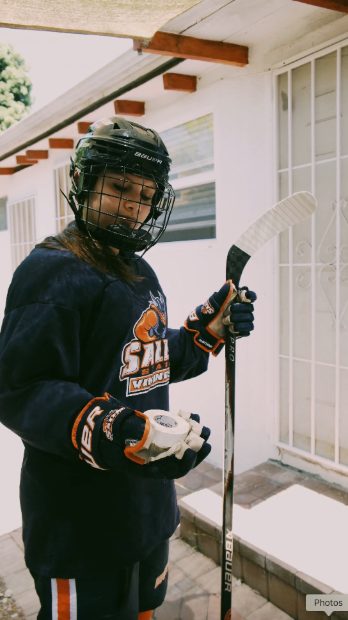

Start an off-ice hockey setup with a safe practice area, a suitable stick and a surface-compatible training ball or puck. Add equipment only when it solves a specific problem. A small stickhandling station and a shooting area have very different space requirements.
Choose one training goal first
For close control, you need room to move the blade without hitting anything. For passing, you need a clear return path. Shooting requires a much larger controlled area, an appropriate target and effective containment. Do not buy a net first and work out where missed shots go later.
| Goal | Start with | Consider later |
|---|---|---|
| Stickhandling | Stick, suitable ball, flat markers | Compatible training tiles |
| Passing | Safe clear space and a partner | A stable, purpose-built rebounder |
| Shooting | A properly contained shooting area | Targets and additional practice pucks |
Check the surface before buying accessories
A ball that moves well on one floor may behave differently on another. Test a small area and follow the product manufacturer's surface guidance. Training tiles should lie flat and remain stable. Avoid setups that introduce raised edges into a walkway.
Abrasive surfaces can damage a playing blade. Use suitable protection or a practice stick intended for that environment. Do not assume another layer of cloth tape turns any surface into a safe training floor.
Spend in stages
- Use what fits safely. Inspect your existing stick and identify a usable practice area.
- Buy one practice object. Learn how it moves before collecting several versions.
- Build a routine. A few repeatable drills reveal what is missing.
- Upgrade the bottleneck. Buy tiles if the surface is the problem, or a rebounder if controlled passing practice is the goal.
Compare the complete cost, including shipping, storage and any extra pieces a product requires. A discounted accessory is not a bargain if you cannot use it in your space.
What can usually wait?
Large obstacle systems, electronic scoring and multiple specialty balls can wait until you know you will use them. Flat markers provide a simple starting point for changes of direction. Keep markers out of your stepping path and leave room for your natural stance.
Make cleanup part of the setup
Keep small objects in a container and put the stick somewhere it cannot fall across a doorway. Inspect equipment before each session. For younger players, choose a setup an adult can supervise and pack away easily.
Keep your playing setup familiar
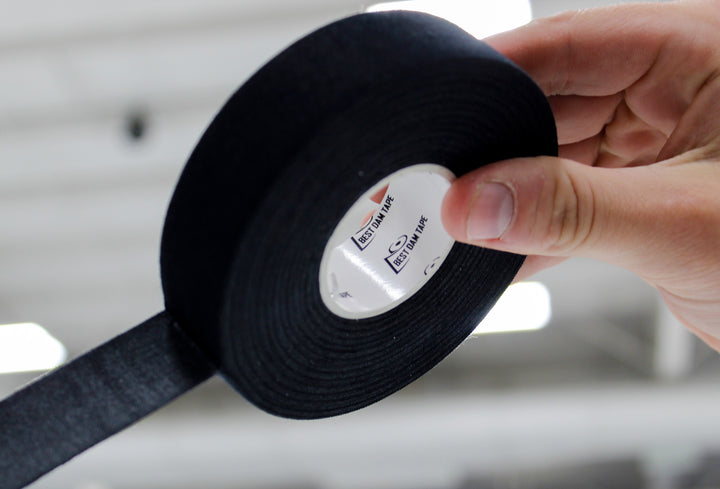
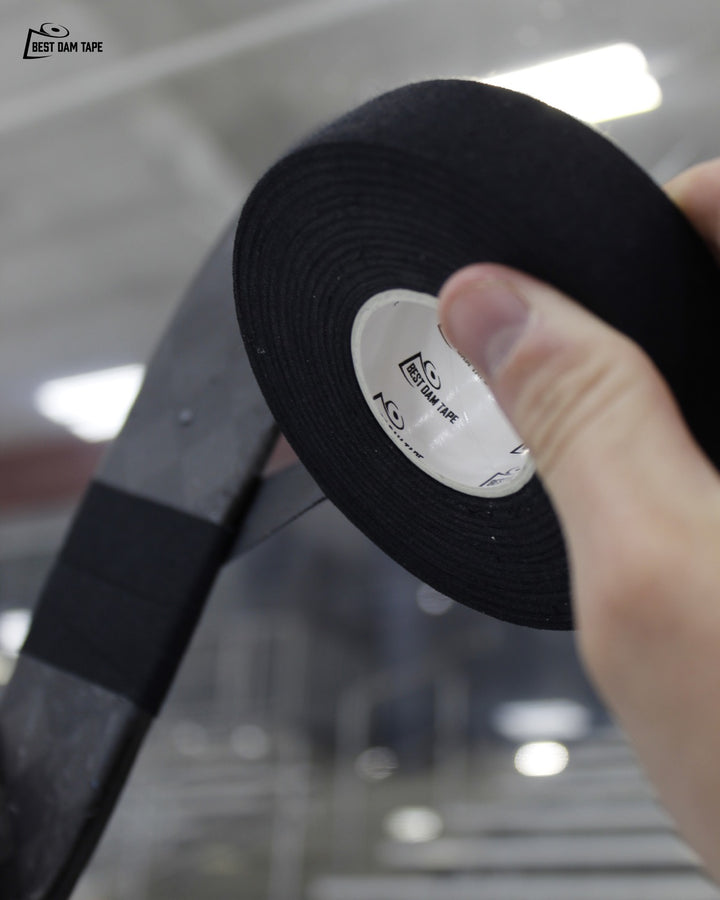
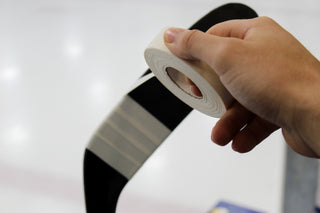
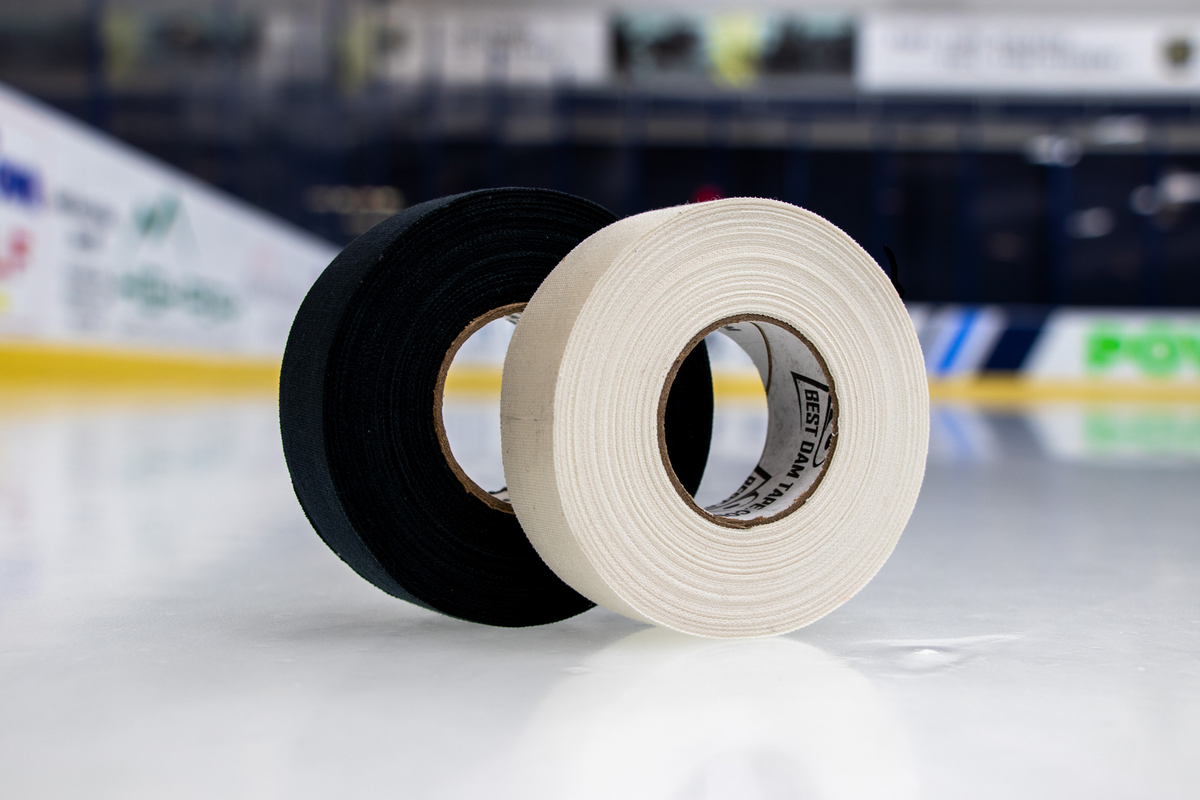
A secure, comfortable handle helps keep practice consistent. Replace a loose wrap with your usual cloth hockey tape, and use our taping guide if you are starting from scratch. Spend your attention on controlled repetitions before spending more on the station.