






NHL tape jobs demonstrate how personal stick setup can be. They do not establish one pattern every recreational player should copy. Study the coverage and handle shape, then decide which specific detail is worth trying in your own practice.
A close-up of a professional's stick is interesting. An explanation of what to look for is more useful when you are holding a fresh roll.
Three documented examples
- NHL coverage of David Pastrnak's 2024 Game 7 winner noted his minimal stick tape.
- A 2022 Devils feature described Dawson Mercer's electrical-tape grip preference.
- NHL equipment coverage describes a “candy cane” spiral for shaft grip.
These are dated examples, not claims about current setups, tape brands or endorsements. They illustrate variation rather than a recommended shopping list.
Separate blade coverage from handle design
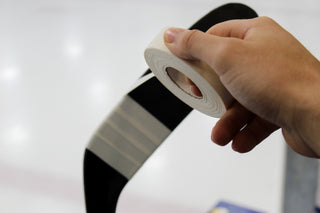
When you look at a tape job, answer two different questions. First, where is cloth placed on the blade? Second, how is the player's top-hand grip built? An unusual handle wrap does not tell you what belongs on the blade, and a minimal blade pattern says nothing about knob comfort.
For blade coverage, note the heel, middle, toe and bottom edge. For the handle, note the knob shape and how far the wrap extends down the shaft. A distant game photo may not reveal every layer.
What you can reasonably experiment with
Choose one variable: the covered area, overlap, grip length or knob buildup. Keep your usual stick and the other details consistent. Try the change at practice rather than making a major adjustment minutes before a game.
Wear your normal gloves when assessing the handle. With the blade, use familiar passing and handling activities so you can judge comfort without simultaneously learning a new drill.
What you should not infer
- A star's tape pattern caused their scoring ability.
- Every professional uses the same product or width.
- A tape company is endorsed because its article mentions a player.
- A setup photographed years ago remains unchanged today.
Professional skill, repetition and equipment support are part of the picture. Your best setup is one you understand and can recreate.
Keep a small setup notebook
Photograph your normal wrap, write down what changed and note how it felt during comparable sessions. Inspect wear afterward. If you prefer the old setup, returning to it is a useful result, not a failed experiment.
Start with the fundamentals
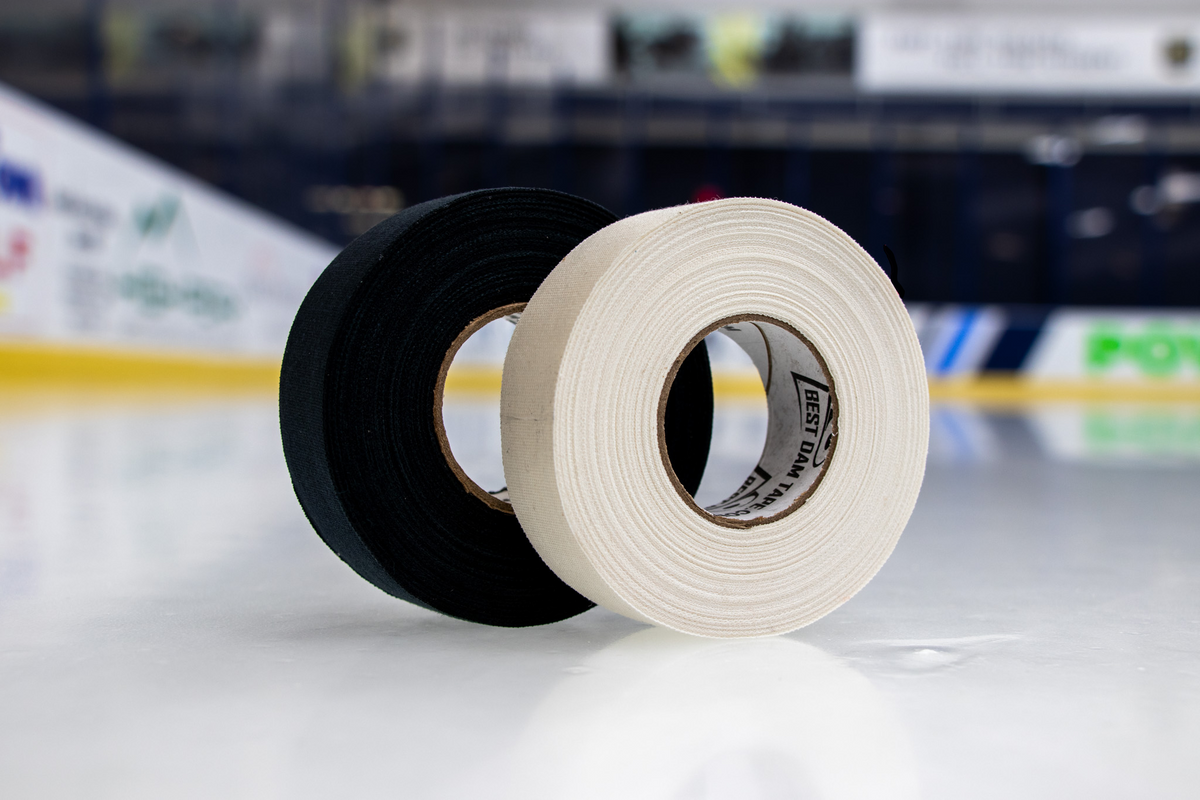
Use our stick-taping guide before chasing an unusual pattern. The Sampler 3 Pack gives you white cloth, black cloth and clear shin tape for their respective jobs.